

 Apple Podcasts

 Spotify

 Castro

 RSS Feed
Chapter 89: The Last Word-Johnny Frank Garrett's Execution Revisited
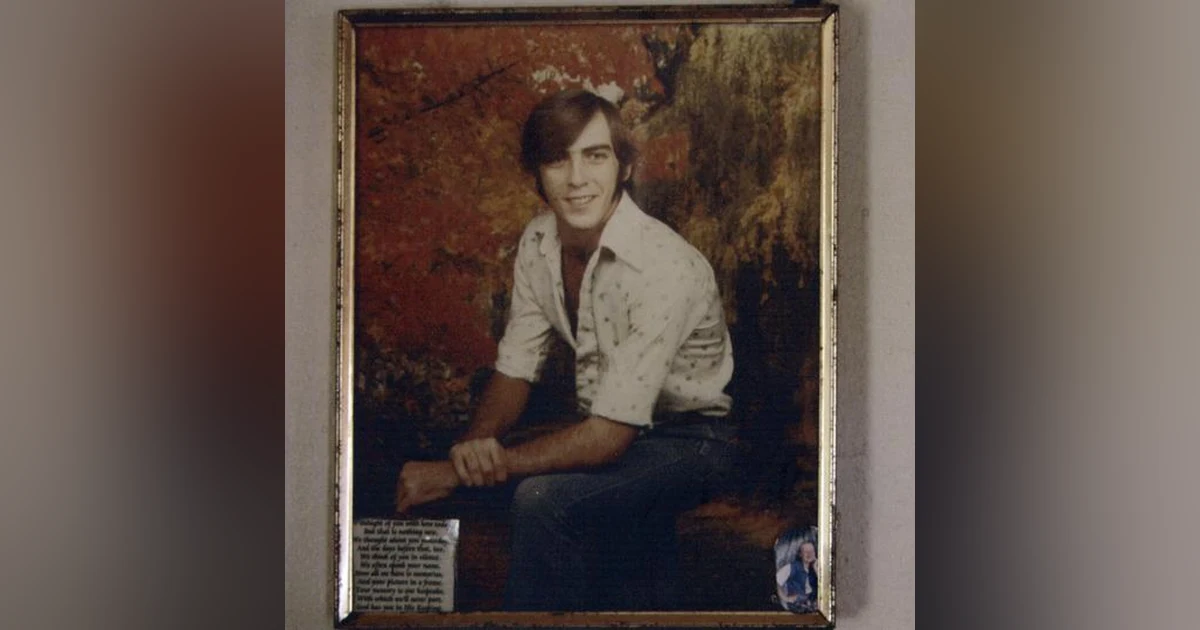
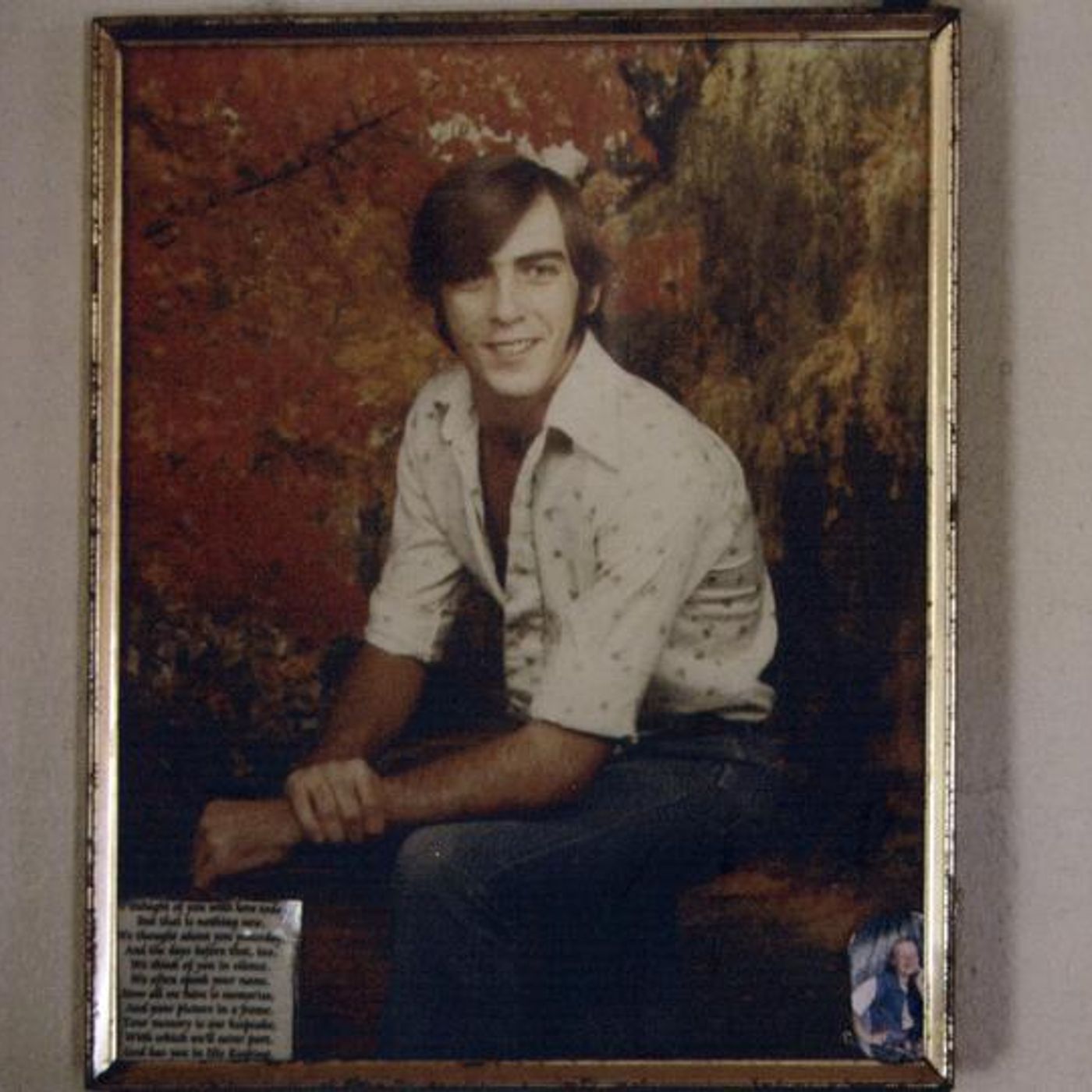
To end 2024, we revisit the execution of Johnny Frank Garrett and go over the proof that shows he was innocent of the murder he was charged with committing. From FBI reports to an alleged confession from another convicted killer, Johnny's case is a...
To end 2024, we revisit the execution of Johnny Frank Garrett and go over the proof that shows he was innocent of the murder he was charged with committing. From FBI reports to an alleged confession from another convicted killer, Johnny's case is a glaring example of what a miscarriage of justice can do to a person.
Connect with us on Social Media!
You can find us at:
Patreon: The Book of the Dead Podcast
Instagram: @bookofthedeadpod
X: @bkofthedeadpod
Facebook: The Book of the Dead Podcast
TikTok: Bookofthedeadpod
Or visit our website at www.botdpod.com
Don't forget to Rate, Review, & Share with someone who would like the Podcast
Promo for Famous Last Words
A study of some of the final words uttered by history's greatest. (As well as a few stories you might not know.)
Listen here
Amnesty International. (2024, January 29). USA (Texas): Further information: Execution of juvenile offender: Johnny Frank Garrett - Amnesty International. https://www.amnesty.org/en/documents/amr51/021/1992/en/Blaney, B. (2004, December 5). Lawyer takes 1981 case of executed man. Chron.com. https://www.chron.com/news/houston-texas/article/Lawyer-takes-1981-case-of-executed-man-1524310.phpInvestigators concede they were “prematurely optimistic.” (1981, November 7). Amarillo Daily News.Johnny Frank Garrett-Suspect; Sister Tadea Benz-Victim; Rape-Murder. (1982). In Thelastworddocumentary (No. 95–246304). Federal Bureau of Investigation. http://www.thelastworddocumentary.com/tour.php#Leoncio’s confessions. (n.d.). http://www.bloodshedbooks.com/tour.php?category=Leoncio%27s+Confessions#Microscopic Analysis-Chemical Analysis-Glass-Shoe Print. (1982). In Thelastworddocumentary (No. 95–246304). Federal Bureau of Investigation. http://www.thelastworddocumentary.com/tour.php#Morris, A. L., & Boydston, J. (1981). Statement. In Thelastworddocumentary.com. Amarillo Police Department. http://www.thelastworddocumentary.com/tour.phpThe Last Word Documentary. (n.d.). http://www.thelastworddocumentary.com/tour.php#Tool Marks. (1982). In Thelastworddocumentary (No. 95–246304). Federal Bureau of Investigation. http://www.thelastworddocumentary.com/tour.php#
0:00 Hi guys. I'm Courtney and I'm Lisa, and welcome to the next chapter in the Book of the Dead, brought to you by dark Cast Network insie podcasts with a Twist. Did you know one of the few things that Nostre Damas correctly predicted was his own death? Did you know that only one professional baseball player has been killed while playing the game? What about the fact that one of the most poignant last words ever were spoken by a parrot?
0:50 Each week on Famous last Words, we'll examine some of the final thoughts of some of the most fascinating people in history, from presidents to murderouses, from business innovators to teen pop icons. That's Famous last Words, part of the dark Cast Network, available right now wherever you get your podcasts. Hello, Hello, Welcome to the last chapter of the year for the Book of the Dead. Happy holidays and happy New Year. For today's chapter, the last one of twenty twenty four, I thought we would do something a little bit different. Inspired by revisiting the case of the Lands Angels of Death, I thought we would revisit a case I did recently. There are many cases we have covered over the years that I think about constantly. Some are solved, like Jinko Ferudo's whose case details I have yet to forget since I learned about her fourteen years ago. And some cases are on salt still, but I check for updates daily, like Daniel Robinson's day disappearance or Elizabeth Sealgato. However, the case I covered recently about the execution of Johnny Frank Garrett, has been a case that I have been festering about since I covered it. As I said in the original recording, it was a case that seemed pretty straightforward now to recap if you haven't listened to the episode,
2:25 which I recommend you do. Sister Tada Bens was murdered on Halloween in nineteen eighty one in Amarillo, Texas. She had been assaulted, beaten, stabbed, strangled, and her death was very similar to a woman murdered months before named Narnie Bryson. Now, at face value, the evidence found seemed to point to Johnny Frank Garrett, who was seventeen at the time of the murder, and a clairvoyant claims that she had a vision showing Johnny was the culprit. He was arrested, charged and convicted of sister Toda's murder and put to death via lethal injection. However, multiple witness statements claimed that they had seen a dark skinned Cuban man hanging around the convent at the time of the murder, and most of the evidence was not a DNA match for Johnny. The only match they had was his handprint on sister Toda's bed, which he claimed happened after he had broken into her room and leaned against the headboard to steal a crucifix, and we will get into that. Additionally, police initially believed that sister Tadaz and Narnie Bryson's murders were connected, but Johnny was only ever charged with sister to Diaz. In fact, someone else was arrested for Narnie Bryson's murder after Johnny's execution, named Leoncio Roeda, and he had confessed to knowing who
3:55 killed Sister to Dia as well, but he ignored this other man was ever charged. Now, the reason I mention all of this is because after recording, I found more information about Johnny's case that I want to share because it reinforces the fact that the Amarillo police made massive errors and Johnny's execution is glaringly obvious to be a total miscarriage of justice, So let's get into it. Twenty two years after Johnny Frank Garrett was put to death, Jesse Quackenbush, an attorney from Amarillo, took on his case to prove his innocence posthumously, telling Betsy Blaney of the Associated Press quote, the old and newly discovered evidence of Johnny Frank Garrett's innocence is so compelling it will cause even the most bloodthirsty proponents of the death penalty to shake their heads in doubt. According to the same article, in Johnny's unassigned confession, he had allegedly said that he was high on LSD drunk when he had originally broken into the convent to try and steal stereo. He also profusely proclaimed his innocence up until his death. Additionally, although multiple articles covering the murder from nineteen eighty one have stated that police were convinced that the same person, somewhat of Hispanic descent, committed bulk murders, in two thousand and four, Chief Jerry Neal claims that that was never stated at all.
5:30 Now this is interesting because, according to an article written by Donna weeks for the Globe News. In nineteen eighty one, Detective Captain Jimmy Davies said he thought that the same person may have committed both murders. Jimmy Davies was a captain for the Amarilla Police Department, and I don't believe that the statement would have been mentioned, let alone published, if this wasn't true. So I don't know if Jerry Neil is attempting to backtrack on what they thought the time, or if he doesn't remember. Which to play Devil's advocate is possible, as there was twenty years between both statements.
6:10 In addition, District Attorney Danny Hill stated in an article for the Amilla Dailly News at the time that while it was only speculation, he believed the cases were connected because they were so similar. Now, this alleged confession says that Johnny stated that he was under the influence of drugs and alcohol and he had entered the convent to steal. This confession also states that he covered sister to DIA's mouth and knows and she passed out and he proceeded to quote have sex with her. Now, this alleged confession says nothing about the murder and the report made by the Amilla Police regarding Johnny's arrest and statement also does not mention Johnny confessing to murder. However, it does say that Johnny allegedly confessed to Detective Walt Yerger. He then, according to the statement, ask for a lawyer. Now, this statement report was made by Yurger's supervisor, and he claims that when he went into the interrogation room after Johnny asked for a lawyer, Johnny spontaneously made the same confession and said that he wouldn't sign a statement without his lawyer present. What's interesting to me is that they allowed Johnny to make this statement again after he asked for a lawyer allegedly. But the interview should have stopped there, and this supervisor should have not entertained Johnny's reiteration of this alleged confession either. But I'll tell you why Johnny was allegedly allowed to keep talking. This is a tactic
7:46 that police will use to skirt around a suspect asking for legal counsel. Once a lawyer has been asked for, all lines of questioning are supposed to cease until legal representation is present. And if the interrogation were to continue atro lawyer is asked for anything said will be inadmissible in court. The way police will try and get around this is by coming in and maybe starting up some general banter to keep the suspect talking, as anything the suspect says voluntarily outside of a response to an interrogation is admissible in court. It's sneaky, but it's legal. So it is possible that Johnny may have said something in distress to the police officer after asking for legal counsel.
8:37 In addition to the alleged confession that may or may not have been bogus. We have to speak about the evidence. As I said in the original recording, the Amarilla Police sends a plethora of evidence to the FBI for analysis. Among the evidence sent where samples of hair from Johnny, Frank Garrett, and Fernandoores, who was the original suspect. According to the report from the FBI, and this report is accessed through Jesse Quackenbush's website for the documentary he made about this case, the report acknowledges that the hairs obtained from Johnny's home, not the crime scene, belonged to Johnny, and all of the evidence is cataloged with where it was found. The report is obviously very specific. There were hairs found on the blanket, bedspread, t shirt, and vacuum sweepings obtained from sister to DIA's crime scene that had Caucasian characteristics, as well as hairs found in the bedsheets that quote are unlike the hairs in K seven and K twelve and accordingly cannot be associated with the source of K seven or K twelve. The evidence labeled K seven is sister Toda's hair and K twelve is Johnny Garrett's hair, So according to the FBI, the hair found at the scene of sister Toda's murder did not match Johnny.
10:06 In fact, according to that report, they found zero hairs that matched Johnny in the evidence since the FBI at all. Regarding the knives, they found a bent butter knife under sister Toda's bed and they seized knives from Johnny's house. They also took knives from the kitchen in the convent, as well as a knife that they found in the driveway of the convent. According to the FBI, since the butter knife was serrated, it is possible it could have been the murder weapon. Still, the report also acknowledges that any similarly serrated knife could have also produced the blood stained draation pattern found on the bed sheets. I will also add that according to the crime scene photos, there was no visible blood scene on the butter knife that was most likely used by someone trying to open a lock, given how it was bent. Forensically, they also found no blood on the snife. Now, Johnny claims he was attempting to break into a locked drawer, so if the knife is his, that would explain it being bent trying to wedge it in between the door and maybe the top of the drawer. Additionally, the steak knife seized from Johnny's home could not duplicate the cutting marks found on the window screen. They weren't a match. According to the FBI.
11:35 Johnny's shoes also did not match footprints found of the crime scene. Blood and seamen samples from Johnny did not match anything found at the crime scene, and they found no glass or debris present on Johnny's person or belongings that matched anything found in sister to do his room. I will say that they did find blood on Fernando Flores's genes, but testing was inconclusive. Now, not only did the jury not hear about any of this. There was other evidence omitted from the trial, like the bloody T shirt found that didn't belong to Johnny, the athletic sock that didn't belong to him, the Prince and Harris found that were not a match. In fact, they were the same hairs found at Narnie Bryson's murder, as well as the testimony from the teenager that came forward saying that he and Johnny had broken into the convent two days before the murder, which corroborated Johnny's story. The other thing I have to mention is when I had spoken about the trial. Originally, I spoke about how one of the nuns testified that sister to Dia Ben's did not have a crucifix in her room, so Johnny was clearly lying about trying to steal it. However, while looking for pictures to post to go with the episode, I found the crime scene photos that Jesse Quackenbush has on his website, and in one of the photos, it chose sister to de bed up against the right hand wall. Above the bed.
13:04 On this wall is a large crucifix. It is in the photo taken by police during the investigation. So my question is, assuming Johnny's lawyer, Bill Collius, saw these pictures, because he should have, why was no objection raised when the nuns said this. I want to know why his lawyer didn't do a lot of things. But if he knew about the crucifix, which again he should have, why didn't he say anything? Because it lends more credibility to his client's story, the client that he is attempting to represent, the client whose innocence he is attempting to prove. Additionally, he should have known about all of the evidence submitted to the FBI. He should have known the FBI's fine, which were that they didn't find anything relating to Johnny in any of the evidence. So why was none of it mentioned? Now? Johnny does say in his letter that he had written for prison from prison that he did not ask for Bill Collius to represent him. He did not want Bill as his lawyer. He had two choices, both of them were friendly with his family. That was who he wanted represented, and he claims that he was told that Bill was going to represent him. He didn't have a choice. Now. I don't know a lot about
14:37 Bill Collius, but if he was sent to represent Johnny by the police or the prosecution or the district attorney. It could explain why, if the police wanted to make an example of Johnny or didn't want to admit they were wrong, why Bill would have allowed all of this evidence to not be heard in court. Now, this picture from the crime scene is literally public record. It's on Jesse's website, it's on my instagram. You can read the reports from the FBI showing their findings. You can see all of the evidence that was submitted. And by seeing I mean the descriptions of what was submitted. They're all cataloged, they're all labeled. There's no miscommunication, there's no misconstruing what the FBI said. Now, years after Johnny is executed and arrest was made in the murder of Narnie Bryson, and the man who was ultimately convicted was Leoncio Rueta. He is a Cuban man who had been arrested in the weeks after Narnie's murder for peeping, and he has close ties to Fernando Flores. Fernando had been idd by a witness as being the man seen at the convent at the time of Sister Toda's murder, and he was ultimately relieved.
16:02 Watching the interview Leoncio did with Jesse Quackenbush was enlightening because Leoncio had a lot to say. According to Leoncio, he was not the one to kill Narnie Bryson, but he was there when Fernando killed her. According to this interview, Fernando not only killed Narni, he beat and sexually assaulted her and forced Leoncio to do so as well at gunpoint. Leoncio also claimed that Fernando told him that he had beat a nun, and when Jesse asked if Fernando admitted to killing this nun, Leoncio said, based on how he was speaking, he believed Fernando had killed this nun, presumably sister Toda as well. According to Leoncio, Fernando killed Narni by striking her, and then Fernando took Leoncio's hands and placed them on the telephone court so that his fingerprints would be on it, and then presumably use that cord to strangle Narni after her death to incriminate Leanzio. Now, Leoncio claims in this interview that when he was arrested in nineteen eighty one for peeping. The police did take fingerprints and hear from him, but he did not tell the police about Fernando because he was scared because Fernando had threatened him, threatened to beat him up. Now, Jesse did ask if the possible motive for Narni being murdered
17:34 was because of jealousy coming from Fernando because he had feelings for Leoncio, and Leonsio did confirm that that could have been the motive behind the murder. But as far as I can tell, to this day, Fernando has never been arrested in connection with Narni's murder or sister to Diaz. Leoncio has been charged and canted with Narnie's. Now, I don't know about all of the evidence in terms of Narnie Bryson's murder. I don't know if Fernando was there at all. I'm inclined to believe that he was. Jesse, I think believes that Fernando was. It's pretty much thought that Fernando is behind sister to DIA's murder as well, and police had him in custody and let him go.
18:26 As I said the first time, I think that the Amarilla police arrested who they believed was the best person for the murder, maybe based on stereotyping, because Johnny Frank Garrett had a history of behavioral problems, He had a mental disability, you know, he had things that made him a target to police, and police saw him, and I think when we can pin it on him, because we are no closer to finding the real murderer. And I think all of it was exacerbated by the clairvoyant wanting to play detective. I personally don't believe clairvoyance have any business being involved in police work because whether or not they see something that's besides the point. But it's not based on evidence, it's not based on fact. I think a lot of times it's based on feeling. Now, I did reach out to Jesse Quackenbush. I sent him an email via his website, and at the time of this recording, I have not heard back from him, but I'm hoping I do to get more context, get his thoughts, because this is a case. I don't think I'm ever going to forget. This is a case that until Johnny Frank Garrett gets posthumously exonerated, I don't think I'm going to
19:57 stop talking about it, and that's the main reason I wanted to do kind of this follow up. If I hear back from Jesse, there'll be another follow up maybe. But there was so much that the jury never heard. There was so much that the police did wrong. There is so much that Leoncio said. And I will leave a link for where you can watch Leoncio's interview with Jesse as well as reading the transcript that is found on bloodshed books dot com. The author Anthony Joseph, wrote a book called Leoncio's Candle of Death, which I believe is fiction, but it is based on Sister Toda's murder and Johnny's execution and how Johnny frank Gard was innocent and put to death, so it is heavily rooted in facts.
20:58 But in on his website under the Leoncio's Confessions tab are the transcripts with the links to the corresponding video with the interview. And these interviews were conducted on August sixteenth of two thousand and four, so you can watch them there and or read them and see exactly what he said. They are not explicit, but more explicit than I'm comfortable talking about or reiterating or sharing, so I'm not going to share them here, but I will you know, I paraphrased it, and you can go watch or read at his website. Thank you as always for listening. If you haven't already, please listen to the first episode I did covering this case. I go into a lot more in detail of exactly what happened, what the investigation was like. Obviously, I'm adding this episode because I didn't see or read the FBI reports. I hadn't seen them at the time of that recording, so to go in there and really see exactly what they said was very interesting. You know, to be able to read Leoncio's confession or the transcript with that confession that interview added a lot more context.
22:25 Because I hadn't seen that interview, it was a little bit hard to find, but once I found the Bloodshed Books website, I got a lot more context in addition to what Jesse published on his website. But as always, thank you so much for listening. You can find all of the sources down below. And you know, my birthday is today or tomorrow, depending on when you're seeing it or listening to this. It's December thirtieth, so you know, it was a little birthday present for me. You can leave our review. I think that'd be very nice, preferably a nice one. But you know, whatever are rated, it helps me out more than you know. I don't do this for money. I'd just like to know that people are learning something from the content that I share and the stories that I share and the cases that I share.
23:21 So it without further ado, have a happy, healthy, safe New Year, and I will see you next year with a new chapter of the Book of the Dead. Bye, guys, thank you so much for listening to this chapter of the Book of the Dead, and don't forget that you can always connect with us on Instagram, you can connect with us on Twitter, and you can absolutely connect with us on Patreon. We also have a merchure as well that we have frequent discount codes coming out for so that you guys can get March hand drawn by myself at a better cost. We hope you have a lovely rest of your week, and just remember, please be kind and don't forget to always stay safe, stay curious, and stay vigilant. Bye guys, Bye,
