How Compulsive Deception and Pathological Lying Conceal Homicide for Decades

Pathological liars possess a chilling ability to construct elaborate, charismatic fictions that blind everyone around them to horrific realities. When compulsive deception intertwines with domestic homicide, perpetrators often use their storytelling prowess as an invisible shield, hiding violent crimes in plain sight for decades by convincing their communities that any missing persons are simply living elsewhere.
Key Takeaways
- Pathological liars construct elaborate, charismatic personas to deflect suspicion away from domestic crimes.
- When a killer frequently fabricates extreme stories, acquaintances often dismiss real confessions as mere tall tales.
- Chemical mummification from airtight wrappings can preserve physical evidence for nearly two decades.
- Social isolation and frequent relocations make it difficult for investigators to reconstruct a timeline of abuse and murder.
- Charisma and superficial charm frequently mask deeply malignant, sociopathic behavior from friends and neighbors.
The Architecture of Deception: Building a False Reality
To understand how a homicide can remain completely undetected for nearly twenty years, we must examine the calculated psychology of the perpetrator. Individuals who engage in chronic fabrication do not merely tell occasional falsehoods; they weave an entirely alternative existence. They reinvent their past careers, invent dramatic adventures, and present themselves as larger-than-life characters. In the case of Ann 'Lee' Sabine, her transition into an eccentric, flamboyant cabaret-singing persona in a quiet Welsh village served a deliberate psychological purpose.
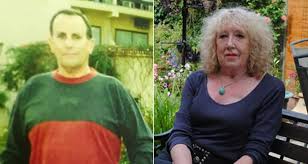
By establishing herself as a harmlessly eccentric, colorful figure, she disarmed her neighbors. When people view someone as theatrical and dramatic, they automatically filter any unusual statements through the lens of theatricality. If a quiet, unassuming person mentions a body or a dark secret, alarms ring immediately. But when a flamboyant storyteller drops a chilling hint disguised as a joke, people chuckle, sip their tea, and change the subject. This social insulation is the primary weapon of the pathological liar.
The 'Boy Who Cried Wolf' Effect in Real Life
Classic cautionary tales like the boy who cried wolf teach us that chronic dishonesty destroys credibility when it matters most. In forensic psychology, this phenomenon creates a dangerous blind spot in tight-knit communities. When a perpetrator constantly fills the air with tall tales about past husbands, glamorous careers, and medical skeletons, friends and acquaintances experience information fatigue.
Over time, those in the liar's orbit stop vetting the information. Every bizarre claim is filed away as just another one of 'their stories.' This dynamic is precisely what happened in the rural village of Beddau, Wales, where Lee Sabine openly joked about a real human skeleton and dropped hints about her missing husband, John Sabine. Because she had spent years conditioning her friends to expect exaggeration, her literal confessions of murder were met with collective amusement rather than suspicion. The psychological barrier of constant lying acted as a better deterrent to police intervention than any physical lock or deadbolt.
Forensic Realities When Lies Finally Unravel
Eventually, physical reality shatters even the most meticulously constructed web of lies. For nearly two decades, John Sabine's remains lay hidden in a communal garden, wrapped in over forty layers of plastic, tinfoil, and roofing material. This extreme containment triggered an unexpected scientific process: chemical mummification. Because the airtight layers prevented insect activity and sealed the environment, the body remained remarkably preserved, locking forensic evidence away just as securely as the perpetrator's stories locked away the truth.
Investigators face monumental hurdles when untangling crimes rooted in decades of deception. Moving across countries, changing names, and fabricating extensive backstories forces detectives to work backward through a labyrinth of false leads. Every interview yields a different career history—cabaret singer, nurse, substance abuse counselor—forcing law enforcement to discard dozens of fictional narratives before they can even establish who the victim was, let alone how they died from blunt force trauma.
Conclusion
The tragic murder of John Sabine and the chilling deception of his wife demonstrate how toxic charisma and compulsive lying can pervert justice for generations. It highlights the vulnerability of small communities where charm easily eclipses caution, allowing predators to rewrite history right in front of their neighbors. For a deeper exploration of this jaw-dropping true crime case, including the astonishing discovery in the garden and the unraveling of a decades-long fiction, Listen to the full episode. Join me on The Book of the Dead as we refuse to let these victims be forgotten.
Frequently Asked Questions
What is compulsive deception in forensic psychology?
Compulsive deception involves a habitual pattern of telling elaborate, unnecessary lies to manipulate perceptions, control environments, and fabricate entirely fictional life histories.
Why do people dismiss confessions made by pathological liars?
People develop cognitive fatigue and skepticism toward habitual liars, leading them to automatically brush off startling admissions as dramatic fiction rather than genuine truths.
How does chemical mummification occur in hidden bodies?
Chemical mummification happens when airtight layers like plastic, foil, and roofing materials seal a body completely, preventing insect access and allowing bodily fluids to preserve tissues.