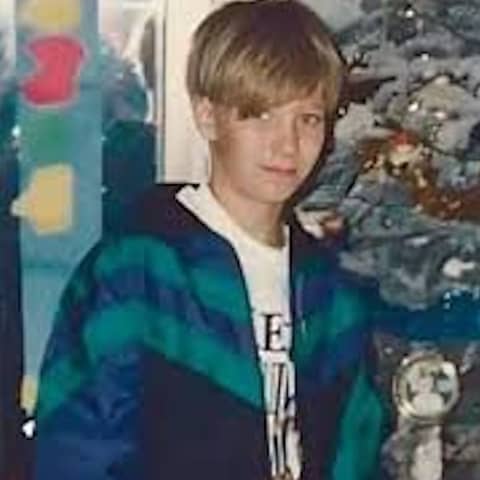
The Lingering Mystery: What Truly Happened to Nicholas Barclay?
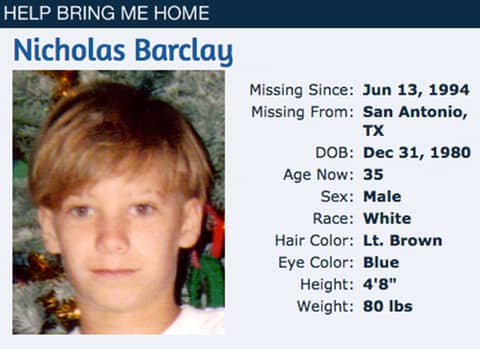
Welcome back to the blog, where we delve deeper into the chilling cases we explore on the podcast. In my latest episode, Chapter 128: A Stranger Came Home - The Disappearance of Nicholas Barclay, I revisited one of the most perplexing and heartbreaking missing persons cases to date. While the episode brought to light the incredible story of an imposter who infiltrated a grieving family, it also, frustratingly, left us with more questions than answers. This post aims to expand on the details, explore the enduring theories, and acknowledge the profound pain that continues to grip the Barclay family. You can revisit the episode in all its bewildering detail here: Chapter 128: A Stranger Came Home - The Disappearance of Nicholas Barclay.
Chapter 128: A Stranger Came Home - Recapping the Episode
For those who may not have listened yet, or for a refresher, this episode detailed the baffling vanishing of 13-year-old Nicholas Barclay from San Antonio, Texas, in 1994. What followed was a period of agonizing uncertainty for his family. Then, remarkably, three years later, a young man emerged in Spain, claiming to be Nicholas. This man, with an incredible story and a drastically altered appearance, managed to convince many, including Nicholas's own family, that he was their lost son. However, the cracks in his facade soon began to show, leading to the eventual revelation that he was, in fact, an elaborate con artist named Frédéric Bourdin. But the capture of the imposter did not solve the core mystery: what happened to the real Nicholas Barclay?
The Initial Vanishing: Nicholas Barclay in 1994
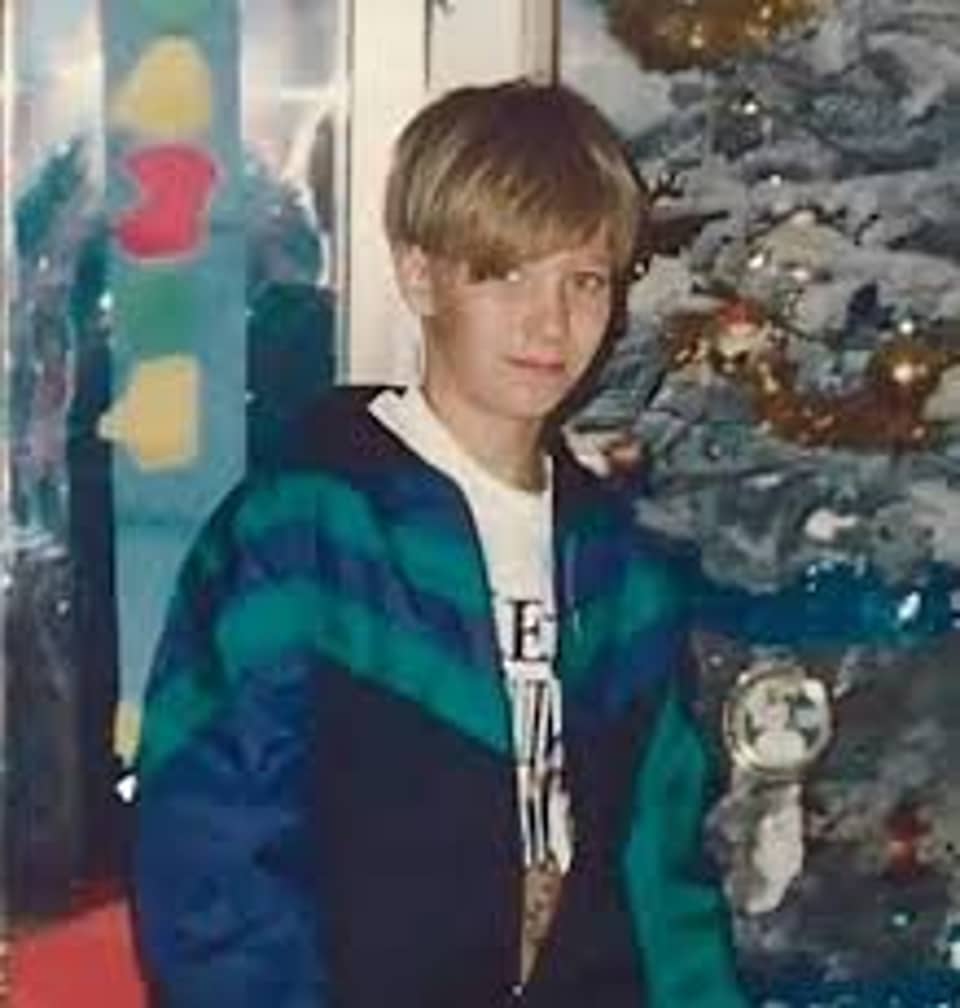
Nicholas Barclay
Nicholas Patrick Barclay was a typical 13-year-old boy living in San Antonio, Texas. On June 13, 1994, he left his home to go play basketball with his friends at a park near his home. When he had finished, he called for a ride home, but his older brother, Jason, told him he'd have to walk. He never made it back to his mother. The circumstances of his disappearance were, from the outset, a mystery. The police, unwilling to look for a boy they considered to be a runaway when he was first reported missing, were weeks behind when they finally started looking. Noone reported seeing Nicholas, and there was no evidence that anything nefarious had happened. He had simply vanished. As the days turned into weeks, and weeks into months, hope began to dwindle. The Barclay family was plunged into a nightmare of not knowing, a pain that no parent should ever have to endure.
The Return: A Man Claiming to be Nicholas Surfaces in Spain
Three years after Nicholas vanished, in October 1997, a social worker in Linares, Spain contacted the National Center for missing and exploited children saying that a boy had turned up at a children's shelter that he believed to be a lost American. The boy claimed to be Nicholas Barclay, providing a detailed account of his alleged abduction and subsequent experiences. He said he had been taken from his home, brought to Spain and held captive for three years before finally escaping. The story was harrowing, and the young man seemed to fit the general description of Nicholas, albeit with some noticeable differences. He had lighter hair than Nicholas, and his accent was not Texan. Despite these discrepancies, the hope of having their son back was overwhelming for the Barclay family. After initial skepticism, but bulstered bythe fact that this boy seemed to know details about members of his family, his sister Carey brought him home to San Antonio. For five months, they lived with the man they believed to be their son, trying to piece together the fragmented years of his supposed captivity.
The Imposter: Identifying Frédéric Bourdin
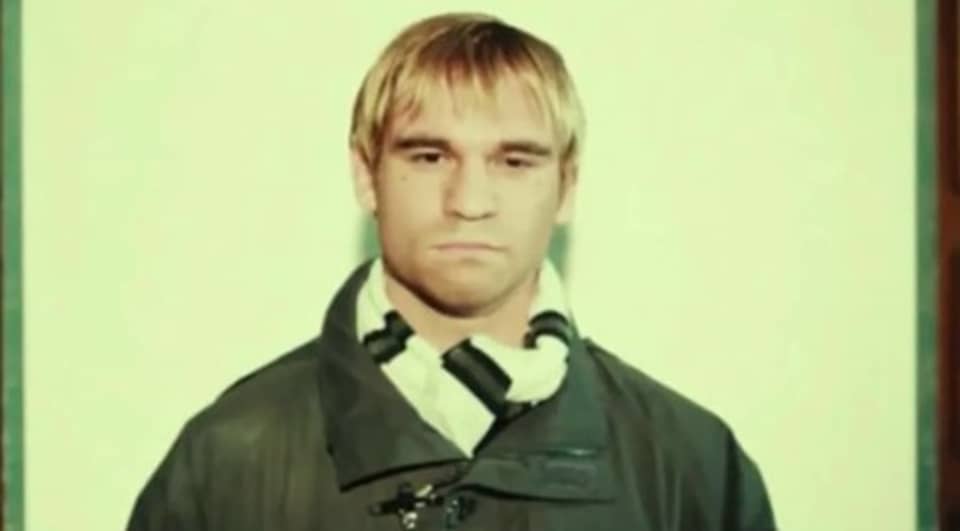
Frédéric Bourdin
The imposter's story, while initially compelling, began to unravel under scrutiny. The discrepancies in his appearance and accent became more pronounced. Private investigator, Charlie Parker, and FBI Agent, Nancy Fisher, had doubts about the credibility of the boys story and they gathered evidence to prove their theory. Dialect experts, opthamologists, and child psychologists were conferred with, and they all agreed that while not entirely impossible, the boy's story was not likely. Interpol was contacted and asked for any information,a s well as the fingerprints of any possile suspects that matched the boy's description, and authorities sent over the description of 23-year-old Frédéric Bourdin, a French serial imposter with a history of assuming false identities.Bourdin, it turned out, had a pattern of targeting grieving families, spinning elaborate tales of abduction and survival. The man living in the Barclay home was indeed Frédéric Bourdin, who admitted his deceipt to Charlie Parker after a final confrontation as to his true identity.
The Lingering Questions: What Truly Happened to Nicholas?
The capture of Frédéric Bourdin, while closing one chapter of the story, violently ripped open another. With the imposter exposed, the central question remained unanswered: what became of the real Nicholas Barclay? Bourdin's motivations were selfish and deceitful; he sought attention and sympathy. But his presence did not shed light on Nicholas's fate. Did Bourdin know what happened to Nicholas? Was Nicholas a victim of Bourdin himself, or did Bourdin simply see an opportunity to exploit a tragedy that had already occurred? These are the questions that haunt the Barclay family and continue to fascinate those who delve into this case. The lack of any concrete evidence about Nicholas's whereabouts leaves a gaping void, a constant reminder of the unknown.
Theories and Speculation: Exploring the Possibilities
Given the lack of definitive answers, speculation and theories abound regarding Nicholas Barclay's disappearance. It is important to preface this by stating that these are, at this point, just theories, and the true fate of Nicholas remains a mystery. However, exploring these possibilities can offer some insight into the complexity of the case.
One prominent theory is that Nicholas met with foul play shortly after he left his home. This could have been an opportunistic crime, or something more planned. The fact that he was a young teenager made him vulnerable. Without any trace of him, it's difficult to pinpoint any specific direction for this theory. Was he the victim of a stranger, or perhaps someone he knew? The absence of any substantial leads in the immediate aftermath of his disappearance makes it hard to build a case around this idea, yet it remains a chilling possibility.
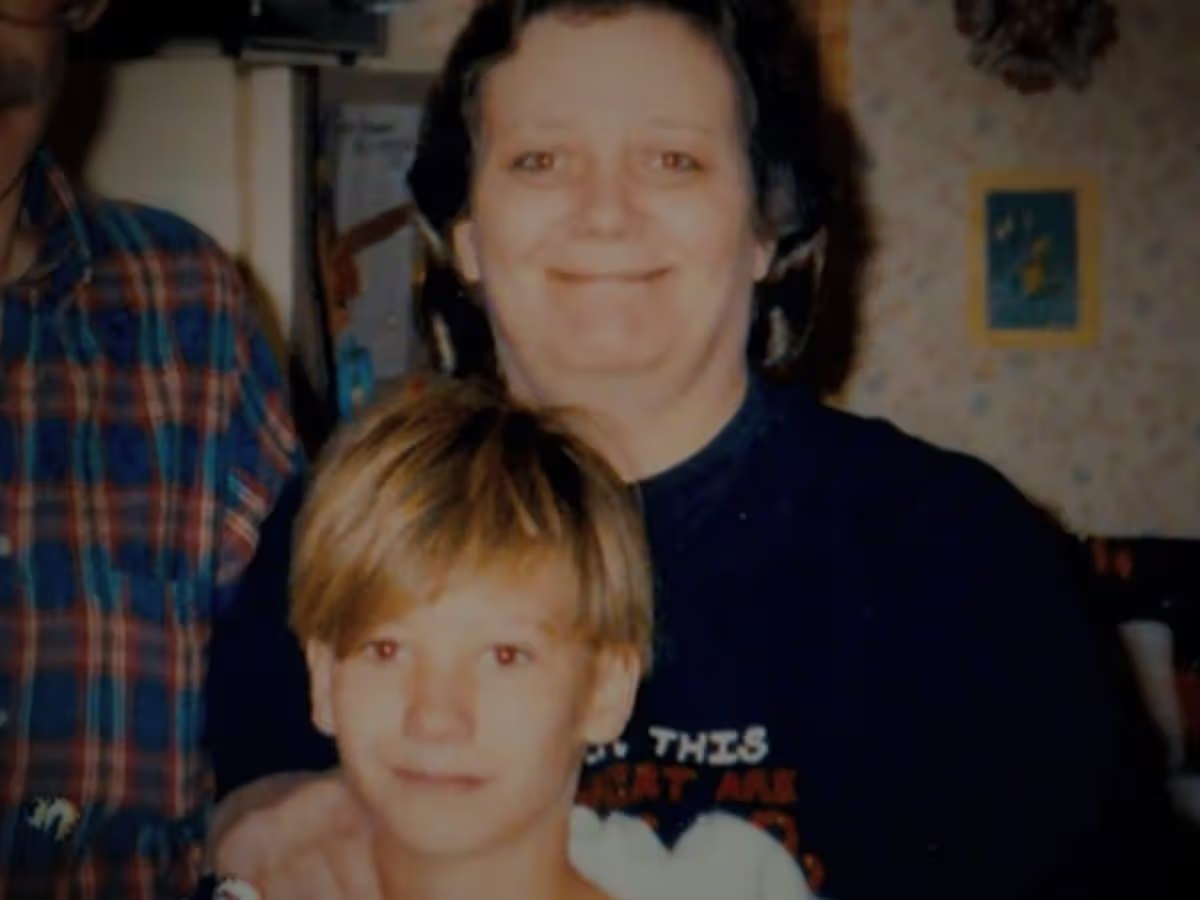
Beverly Dollarhide and Nicholas Barclay
Bourdin, himself, claimed that the family was fully aware that he was not Nicholas Barclay, and believed that they were so willing to accept his lies because Nicholas's mother, Beverly, or her son, Jason, had killed Nicholas. While the FBI and San Antonio police did breifly investigate Nicholas's death as a possible homicide, with a lack of evidence, and the overdose and death of Jason mere weeks after an interview with police, the investigation was ultimately closed.
The fact that Bourdin was able to convince the Barclay family, and even law enforcement to some extent, highlights his incredible skill as a manipulator. It also raises the question of how many other lives he may have impacted with his lies. His ability to create a believable narrative, even with the obvious inconsistencies, speaks to a deep understanding of human psychology and a willingness to exploit it without remorse.
The Enduring Pain: The Barclay Family's Search for Answers
Beyond the theories and the chilling narrative of deception, the most profound aspect of the Nicholas Barclay case is the enduring pain of his family. For 30 years, they have lived with the fact that they have had no idea, whatsoever, ofo what happened to Nicholas. The brief period of hope when they believed he had returned, only to be met with further betrayal and disappointment, must have been an unimaginable ordeal. This case is not just a mystery; it is a testament to the devastating impact of loss and the relentless struggle for closure.
While the story of Frédéric Bourdin has endured, it has overshadowed the mystery of what happened to Nicholas, a 13-year-old boy who simply disappeared, never to be seen again. While his name has been occasionally mentioned in the media over the years, no one seems to truly be looking for him. When his name and story was more prominently featured in 1998, the Imposter's story dominated the headlines burying Nicholas and the mystery of what happened to him farther into obscurity.
The Ongoing Investigation and Current Status
While Frédéric Bourdin was apprehended and faced consequences for his actions in the Barclay case, his capture did not magically resolve the mystery of Nicholas Barclay's disappearance. The official investigation into Nicholas's vanishing has, over the years, likely faced challenges due to the passage of time and the fading of potential leads. However, the case remains open, and any new information could potentially reignite the investigation.
The San Antonio Police Department continues to be the primary point of contact for information. In the show notes for this episode, I’ve included their contact information, It is the hope of many, including ourselves, that someday, a piece of information will surface that brings clarity to what happened to Nicholas. Until then, the case remains a priority for those who believe in seeking justice and providing closure for grieving families.
The complexities of this case are immense. It combines elements of a missing child, a sophisticated con artist, and the profound emotional toll on a family. The legacy of Frédéric Bourdin is one of deception and pain, but the enduring mystery of Nicholas Barclay’s whereabouts is a separate, equally tragic, chapter. The ongoing effort to find Nicholas is a testament to the dedication of law enforcement, missing persons organizations, and, most importantly, the unwavering love of a family who refuses to give up hope.
Conclusion: The Mystery Remains
The story of Nicholas Barclay is one that lingers long after the episode ends. It’s a stark reminder that sometimes, the most chilling mysteries are not about a perpetrator caught in the act, but about the absolute void left behind. In Chapter 128: A Stranger Came Home, I tried to focus the narrative on the boy that so many have forgotten, while acknowledging that his story can not be told without mentioning the man that fooled his family. Yet, as I've discussed here, Bourdin's capture did little to illuminate the ultimate fate of the young boy who vanished in 1994. The theories are many, the pain is palpable, and the truth remains frustratingly out of reach. The Barclay family’s search for answers is a poignant and ongoing journey, one that we hope will one day find the peace that so many families in similar situations deserve. Until then, the mystery of Nicholas Barclay endures.
Listen: Apple Podcasts | Spotify

The Power of a Name: Identifying the Kern and Ventura County Jane Does