

 Apple Podcasts

 Spotify

 Castro

 RSS Feed
Chapter 117: Convergence-The Murders of Gio Messina & Delphine Moore w/ Gregg Owen and Jonathan Dixon
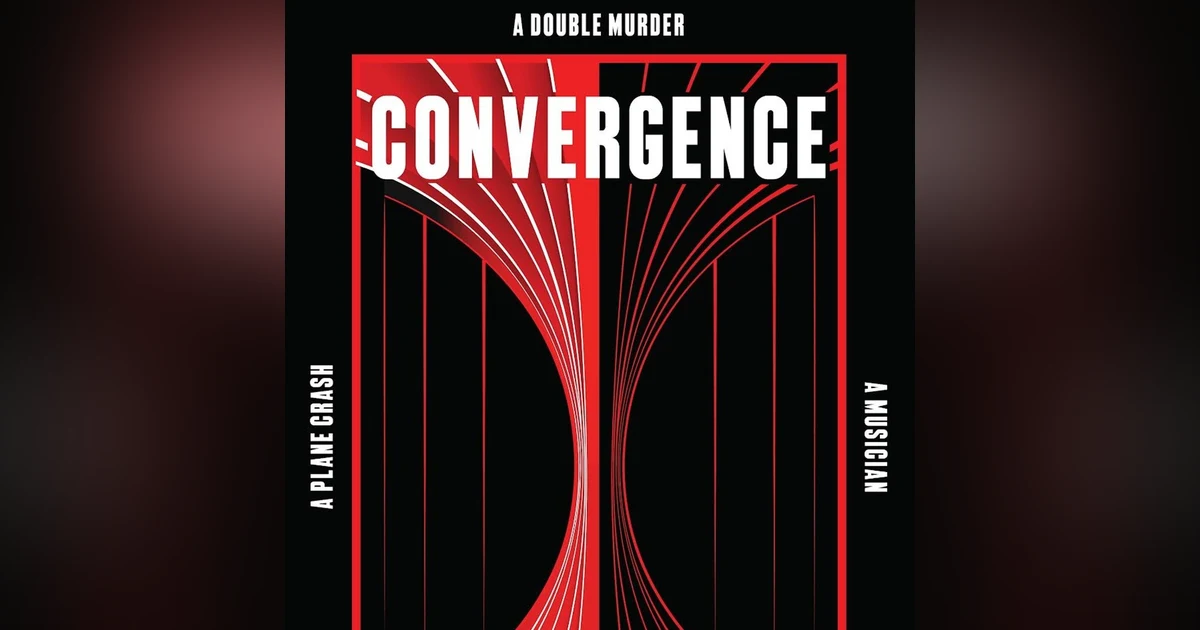

On a cold night in March of 1976, a young couple was brutally murdered in an apartment in Chicago. The murders were as violent as they were baffling. Who would want to hurt them, and why? At the same time that police were investigating the scene, Gregg Owen was taking the bar exam and would go on to become a prosecutor. 4 years later, Gregg would take the case, determined to put the man guilty of killing the couple behind bars when no one else would. The case was, seemingly, unwinnable: no evidence, no motive, and the only witness was prepared to take the 5th, but, against all odds, he was prepared to do what no other prosecutor would.
Decades later, the story of the Messina/Moore Murders and the trial would be immortalized in the book Convergence-written by Gregg Owen and Jonathan Dixon. They sat down with me today to break down the incredible trial, Gregg's journey from rockstar on stage to performing for a jury, and what it took to bring this story back to life.
Get your copy of Convergence here
Become a 26th Street Investigator and join The Motive Challenge
Check out 26th Street Books
Follow 26th Street Books :
Bluesky
Instagram
X/Twitter
Facebook
Youtube
Connect with us on Social Media!
You can find us at:
Instagram: @bookofthedeadpod
X: @bkofthedeadpod
Facebook: The Book of the Dead Podcast
TikTok: Bookofthedeadpod
Or visit our website at www.botdpod.com
If you enjoyed the episode, consider leaving a review or rating! It helps more than you know!
If you have a case suggestion, or want attention brought to a loved one's case, email me at bookofthedeadpod@gmail.com with Case Suggestion in the subject line.
Stay safe, stay curious, and stay vigilant.
0:01 Every story has a beginning, but not everyone has an ending. In the shadows of headlines and buried police reports lay the voices of the missing, the murdered, and the forgotten, waiting to be heard and have their stories told. This is The Book of the Dead, a true crime podcast where we remember forgotten victims of heinous crimes, reopen cold cases, re visit haunting disappearances, and uncover the truths buried beneath the years of silence. I'm your host, Courtney Liso, and every week we turn to another chapter, one victim, one mystery, one step closer to justice. Brought to you by Darkast Network INDEEP Podcasts with the Twist. Hello, Hello, Welcome to the next chapter in the Book of the Dead. Today, I have with me two special guests, two of the founders of twenty six Street Books, a new publisher focused on bringing new approaches to the art of true crime.
1:26 First with me is Greg Alwen, former keyboardist for bands like Shady Days, Jericho and Chill Factor, who went from stages and hanging out with fellow rock stars to prosecuting some of the toughest cases in Chicago. Also with me is Jonathan Dixon, a former music critic for The Boston Phoenix and author of Beaten, Seared and Sauced. They are here to talk about their first book together, Convergence, the story of a horrific double murder in March of nineteen seventy six, where a young couple Giom Messina and Delphine Moore were killed. Against all of the odds stacked against him, Greg Owen and his partner Mike Goggin brought a seemingly unwinnable case to trial. Thank you both for joining me today.
2:14 I am very excited to have you. Thank you for having us here. Thank Greg. You walked away from your band at a pivotal moment in your career to become a lawyer. What brought on that change and how did it contribute to shaping you into the prosecutor that she would ultimately end up being. Well, I mean, I was dedicated to the music. It was my life from age fifteen. And what occurred was at a certain point our band was ready to go on tour with Black Materner Overdrive, and we were on our way to do a big album, and I had a woman that I really loved, Great pay who I was in La and she I found out she was having an affair with somebody else who was actually a dope theater and it's just I mean, I was, I just wasn't strong. It crushed me. I mean I literally left the band to go and try to deal with this.
3:05 And then after I got back a couple months mos later, I seen Emerson Nake and Palmer, and Keith Emerson was a keyboard player, and he was the greatest keyboard player I've ever seen. So between that and me's starting to question my own talent. And I saw a note on the bulletin board that the Cook County State's Attorneys off was looking for interns to potentially become prosecutors. And I looked at it, I go, well, that's about the opposite of what I'm doing, And something inside of me said that's probably what you should do. So I called my mother I'd paid Paul. I said, could you have your friend who does your hair cut my hair tonight? And my mother thought it was something wrong with me, what are you okay? And I had long airs as I was a kid, a little young. My hair was on my shoulders and that night I got my hair cut and the next day I showed up for this interview with suit. My mother bought me a sup from Facy Penny and the next day I showed up with this interview.
3:54 The guy goes, we're we're desperate trouble. We were so bad that we've had the Supreme Court. And then when I come up with a special rule that if you're a senior loss and your grades are good enough, you can actually go with a supervisor in a government of setting and try cases. So I didn't know what that really meant, and he says, so when you start Monday. I mean I literally went from Wednesday night having long hair the Monday having short hair and being in a crown. I was still in the band. I left two weeks later. Yeah, I transitioned literally overnight, and it was the best thing I ever did. I enjoyed every bit of it, and what it taught me was, first of all, I'm not afraid to talk in front of people. You know, when you've been on the stage for ten years as a young person, I mean you get over that. You're not you don't have the jitters. Now speaking to a jury isn't quite the same, but once you get comfortable. I never had a problem like being in front of people, you know, and speaking, because I learned that as a musician, So that that that helped me a lot. And the other thing that helped me was this, I grew up in a time when there's certain prejudices. But for me and my people, we didn't care who anybody was. If you're a good drummer, we don't care what color anything.
5:06 Nothing I met zero And so when you're raised in that from almost a child, you don't even consider that it's not even an issue. So when I started to Stay's attorney's office in Chicago, there was there was a fair fair amount of prejudice, whatever the word may be. I didn't bring that with me. See, I wasn't like that, and so was different from me because I didn't approach it as this guy's that, or it was like he killed somebody, we don't care who he is or what he is. We're gonna do what we can to make sure he doesn't do it to somebody else. So it helped me be more open minded, you know, and to not bring some kind of prejudice into the prosecution of anything.
5:47 I never it was never, never even in my brain or vocabulary. So between those two things. It helped a lot. Actually having been in a band, I can imagine. It would just kind of being forced all the time to be on stage, you know, putting yourself out there, to transitioning to the courtroom where it's the same thing. You're putting yourself out there. You have to argue, you have to perform for the jury. Yes, and it is a performance. By the way, it's not an accident when you're out in the courtroom. These are not accidents. These are planned strategies done so that in our case, a guilty person doesn't go out and injure somebody else. That was how I was motivated. It wasn't like I want to get this guy. It was more that I don't want somebody else to be injured or whatever because I didn't do a good enough job in what I was doing for. I was motivated for the victims and the potential victims in the future.
6:45 Absolutely, And I think that's a really great way to look at it is, you know, putting a focus on the victims and then potential future victims. So convergence has written in the vein of Truman Capodis in Cold Blood, which is obviously known for its dramatization. What compelled you both to emulate that style, and did you have any misgivings about taking some creative license with the genre of true crime. We were casting around for a little bit to try to find the right way to tell the story, to try to find the right voice, and we had a lot of I wouldn't say false starts. We had a lot of experiments, and we actually got pretty far taking a completely different approach to telling the story. It just wasn't feeling right. And I remember Greg saying, this isn't quite not getting it. And you know, I had read In Cold Blood a long time ago and Executioner's Song, and I had loved all the kind of noir ish, you know, black lizard crime stuff with Jim Thompson and Raymond Chant, that sort of thing, and I just thought there was no reason why the two can you know, the can't come together. I also thought that as far as kind of I wouldn't say, we didn't fabricate much.
8:09 I didn't know what was going on in someone's head. But I'm a human being, they're a human being. I could kind of maybe guess a little bit. And Greg was able to guide me by talking about different personalities and that sort of thing, which made it quite a bit easier. And you know, so we had to do a little reconstructing there, and you know, obviously we had to kind of reconstruct some of the dialogue. But I think that that's a pretty common you know, it's a pretty common hurdle that true crime writers have to get over. But we were also from the writing perspective, I was lucky because I had Greg and right there and he was able to tell me, you know, okay, yeah, this is what I was thinking, and I could guarantee that this is what Mike was thinking, and and that made my job a lot easier. And we also had the court transcripts for the trial portion of the book, and we have to cut out a lot of the dead parts, but you know, a lot of the transcript is exactly what was said in court. And there's a video of Greg giving a version of the closing argument, and that was pretty much word for word. And also, I mean that touches also on the question you just asked about the performative aspect of things, because Greg in that video he's like got this presence, this bearing, this gravity, and
9:40 you realize, like there is a performative aspect to that you're kind of acting, you know, it is a form of acting. I guess, yeah, No, definitely, it is a form of acting. Greg, what was it like kind of seeing like these moments in your career brought to life in a different form so many years ag after the fact. Jonathan captured recaptured well me and what I was able to do was the victim's father, Tony. We became very close. He became my surrogate father. I mean, we got that over for thirty five years. And because of that, when I'm talking about what Tony said or what he felt, I heard it. I mean, it wasn't we didn't have to make that up. I mean he told me what it felt like when he walked into the door and what he found. And we stayed close until he passed away.
10:28 And then Ted O'Connor was one of the detectives. Will Jonathan talked to him personally too. I mean, the man who saw the kids. We met with him a few times. So it wasn't I we had to make up what he said or thought. And the other thing that's important, we never once said what Mitchell Wenger was thinking, see, because we didn't know that that would be totally fictitious if we would have said what he said. Cedric one of the characters. I met with him many many times, so I expressed what he felt, you know, because that's what he said. What we wanted to do, though, is to make it not just an narrative, you know, make it so that people really felt what it was like, what is it like to sit in the prosecution's chair, what do they do? And it also at one point we turned it Jonathan and his writing turned it like you're almost a juror. You're trying to figure out what happened?
11:14 You know, why is this going on? Because from the start of the case four years before I tried it to the end, the motive was the most unbelievably we could not figure it out, That police couldn't figure it out, nobody and it just stayed with me, I mean forever. I mean it made no sense at all. Yeah, I think it was. It's accurate saying that the reader's kind of like in the jury, see because it does. You are trying to just coming from you who's read the book, you can really feel that trying to figure out what happened, you know, as the case is being laid out before you and reading Convergence, the Messino More case seems pretty straight forward. I mean, police had gotten the killer really quickly, but then everything falls apart four years later. You know, the evidence is disappearing, the witnesses are fearing being put on the stand. How did you end up taking the case, especially after it moved to the Delhi Center, which isn't exactly known for trying high stakes cases.
12:13 Well, we didn't have a title for the book at the beginning. We didn't know what it was. But as I was relating to him things he started catching. He goes, great, these are unbelievable coincidences. I mean I never thought about it, see because I was it was me. I was in the midst of it. So as I'm sharing with him and we're like, oh my god. Well, the first major coincidence was this. I'm taking the bar exam in March third, nineteen seventy six, and I went for lunch with other LUs early for the first half and I heard sirens, a lot of siren and the bar where I took the bar exam was not too far from where the crime scene was, and so later that day I get a call from my brother and he says to me, I'm ready to go to La. He says, my friend got murdered. I go, what friendy with my friend Geo?
12:58 I go, who's that? He goes, Hee, you probably don't know me. You always on tour, and he starts telling me. I said, and I'd seen a paper in the evening edition. The paper be put in a boxes. I walked into my house after the exam and it said contractor actress found slain. I didn't have any money in my pocket, so I couldn't buy a copy. But I thought it was unusual see that big of a headline, you know, in a night edition. So as I'm talking to my brother, I go, wait a second, where is your friend killed? He goes into Chicago. Did was he a contract? Didn't know his father is? I go, my god, I just saw the headline. He goes, yeah, I was. Yeah. I was going out with his sister. I'm thinking, really, j I felt bad for him. I said, I don't know what I can do. He goes, I just want you know, if you were around, I have you go to the meat the family. I said, well, I'm leaving for La, which I did. Well, then three and a half years later, I've already tried forty murdered jury trials. I'm very experienced.
13:51 He calls me and he says, he says, could get could you answer a question for me? Greg? I said, what is it? Jay? He says, he says to me, why would you office throw out or dismiss a double murder case? I first thing, I said, what are you talking about? That's impossible, that would never happen. He goes, all he have is happening. I go, who is this? He goes, remember my friend? I go, yeah, I said, whatever happened in the case? He goes, nothing, and his family's being told they're going to dismiss the case because they're missing a bunch of that. But it's what disappeared from the locker and the only witness is taking the fifth He won't testify because there was drugs involved. And he said, so they're going to throw it out. I go, where's the case? He goes, well, I know it's not where you are. I go, what it's got to be where I am twenty six in california's a criminal corporal and it's a double murder. He goes, no, it's downtown.
14:41 I go, come on, it can't be downtown. So I said, let me check. So I pay some calls and I called one of my big bosses. He says, yeah, the case is the Daily said, I go, how did he get there? Well, we made bond. I go, how did he have a bond and a double murder case? People are super rich and somebody, some guys gave him a real little bond. I'm thinking, but it's in the Daily Center. Now. The thing about the Daily Center is downtown Chicago. Twenty sixth Street is pretty far west. It's not in the heart of the city at all, because that's why, you know why the criminals come mingling with the citizens and they have a double murderer on bond walking around in the heart of the city where all the businesses was unheard of them. So I knew something was going on.
15:24 It wasn't good. And I find out where the case is assigned and who the judge was. And remember at that time, Chicago had the highest rate of corruption, probably in America for judicial corruption, and we all knew that. We knew what was going on around us. So I go down there and I asked somebody, and they go, yeah, well, the case is over here, could I see the file? And the guy couldn't find it. So he gets under a desk and he found the file under a desk. They didn't want to try the case because they knew it was going to be a bench drought. It was going to be not guilty. So I'm looking at the file im and it got me upset. Get this guy in about the money he has. I mean, it was really bothering me. Like the people I prosecuted have no hope, no money, and this guy's rich and he murdered two of his friends and there's no motive. So I called my partner. I said, Mike, we're probably going to lose this case because there's nothing. I mean, I don't know if it witness could testify, I said, so, which would be willing to do with me? At least my brother knows that people and the family's upset. You know, maybe we can, you know, at least give him a third day.
16:27 They goes wring a lot too, but I will if he asked me, So I said, okay. So I called another boss. I said, can I take this case caught to twenty sixth Street? Sure, if you can get the cheap judge to transfer it. Well, I was able to do that, so now it was moved there to the court and where you'd get a jury trail. So that's how the whole thing started. My brother, it was his friend, which I've always felt really highly about him in that respected. He thought so much of a friend that he actually went out of his way, you know. My brother's ESTATESID prosecutor, and he called me and then I found that case and able to get a transferred and we took it and we tried it. Nobody wanted the case. Nobody I was told when I went to the Daily Center. One of the prosecutors said, Greg, if I was you, I wouldn't touch that case with a ten football people have been paid off, but it's disappeared. The Windesses is taken the fifth there is no case. Actually motivated me more when I saw this guy that did it, I said, no, I'm not gonna let that happen. And I personally it was just it was the thing that I felt, I'm not going to let somebody walk away that butchered two people.
17:30 No way, at least we're going to try to do something. So we did. That's amazing. The draw and the urge to gadgus. This for Geo and Delphine like just especially because you know your your brother couldn't let it go either, which is just as amazing because a lot of times that is how results happen, is someone whether it's a friend or a family member, can't let it go. And they were lucky enough that a couple of people couldn't let it go. In my part of the he said, yes, I mean, this was a case that was so bad. It was like the initial viewing this case, there is no case. We had evidence in a locker that disappeared. How does that happen? That doesn't happen, But it did. We had one person who was there and it was a sort of a a drug deal going down, you know, like that type of situation, and he didn't want to be involved, but he was with this part of it, and he did not want to take the stand. He thought, for sure, winn Or Louis, we're going to charge him with the drugs too, And I had to convince him that we wouldn't, and that was tough. So there was no case, but I didn't care. We didn't care, my partner. Finally he got into it. We said, well, I don't care. And the lawyers we went against for some of the best lawyers, I mean the best anywhere they've tried federal case that they represented Jimmy Hoffett one time. I mean, these are high powered, big money lawyers. And here's me and my partner.
18:55 I was thirty, he was thirty one. We're just young guys, you know. And then underestimated us for sure. The defensorteys underestimated our ability. See, because they don't realize when you work in the environment like that. I had tried almost forty jury trials in three years. It's every week. I mean, you're never not on trial. It was so there was so much crime, and so people don't understand that when you do that that much. I mean, it's it's it's a challenge, but it's something you know how to do. And so we did it and we got them to testify. One of the things that really made the the case especially unusual was the corruption involved. And you know, everyone knows there was. You know, Chicago seems to have raised corruption to a fine heart. I kept thinking about all the evidence disappearing and this guy getting released on bond, and you knew people were getting bribed, You knew people were getting paid off, and the idea that for a few thousand bucks, because I'm sure millions were not changing hands.
20:03 I'm sure it was relatively penny anti stuff. For a few thousand bucks, they were willing to make these two murdered kids just totally inconsequential, and the grief of the family totally in consequence. And that kind of got it took send to me too. And accordinately. There's one other twist. When I went down that at Daily Center to find this case, one of the prosecutors said to me, oh, just a couple of drug added kids. I came from a rock and roll band. Okay, I'm not saying I was an angel. I was on tour for years. I know what it's like. Okay, I've done things. And for me to think they're gonna walk away from murder because some guys kids were having a party doing cocaine or whatever, and that's that's your your penalty is we're not going to do anything. Because see, it just struck me so bad because I came in as a musician. I knew all about it. I'd done it myself, and to think that somebody would just dismiss the thing because or there are a couple of drug addicts, that's all I said, Oh, there's a couple of druggies.
21:04 I mean, I'm thinking, are these people are nuts? See? People were different then, you know. When I came from a different background, it was bad. It bothered me a lot. No, absolutely, that would bother me as well, because what is and I've said this before in other cases I've covered what does what they're doing in the moment's leading up before their murder have to do with anything borrowing them attacking someone? What does it have to do with who cares that they were doing drugs? That has nothing to do with the fact that they were murdered? Nothing said we said in an argument partner. I think he says, well, first of all, folks, doing cocaine is not a capital offense in this state. So is thatct me? Are we trying to say that because of that they deserve to be murdered? Right?
21:46 This guy right here? No, see what I mean? It was It was just I don't know if it's any different thing, but they were a lot different then people. That was something that people viewed, you know, like, oh, you were doing drugs, so what's it's not a death penal offense. And we had to com back that too. But you see, the thing that was tricky was the defense did not really dig deep on the cocaine part because they dirtied him up too then, see, so they didn't want to harp on the cocaine or depressed it. But they didn't because it made him look like, well, maybe he was just another druggy too, you know so, and then everybody wouldn't care about anybody. So it didn't didn't come up too much in the case, not that much. As much as important as it was in the beginning, it wasn't that big idea.
22:32 Speaking of witnesses that you had kind of had to track down. You really jumped through hoops to get these people to testify. You know what kind of struggles did you face in doing that? First of all, set these people were all wealthy. Okay, these are rich kids. I mean the eyewitness was driving a poorche He lived in a big house in a real routchy neighborhood and it's northern northern Illinois, and so he had no interest, see, and he was really fearful that he was going to get charged back. We went meeting after meeting, and another thing that came into this case was this. I finally decided, I'm just going to meet the guy at a social level. Let's just see maybe we can you know, I can probably be his friend.
23:14 So we met at a disco called Faces. He was a member. So we go in there and he's meeting talking to everybody dancing. I'm just sort of sitting there and at one point he says to me, he just don't seem like the kind of guy to be a prosecutor. I go, what's that I mean? He goes, I don't know, he just doesn't seem right. He goes, how did you ever get into this? I go, what's a long story? I wanted to leave it at dad. He goes, oh, we got all night. I go fine, I was in a band and this then that happened and he goes, what band? And I told him. He goes, oh my god, I've seen you a million times a Rush Street in club. And after he said that, his attitude change, just like all of a sudden. He believed me that I really wouldn't go after him for the cocaine, because he just assumed what you probably did what I'm doing your life.
23:57 Whether I did or not, I feel that the tension change was automatically. It was instantaneously, and at the time it was happening, I didn't appreciate it, you know, I didn't really, But then after I thought about it, I go, oh, my god, the guy thinks I'm cool quotes because I was in a band and he saw my band a lot of times. And then he had a girlfriend and he had at the time of the murders that I wanted to use and she didn't want to testify period. So I went and met her and we were talking in a small dountintown and I said to her, I said, oh, you live in Newberry Plaza. That's a nice place. She goes, I said, She goes, well, you know you know of it. I said, yeah, it's real nice. I've been there a few times. She goes, what do you mean you've been there?
24:39 I said, well, I spent the night there a couple of times. A few times. She goes, what what do you mean. I said, well, you know, I was working downtown. He got late at night and I didn't want to have to drive all the way home. She goes, are you were you a bartender. I said, no, Well, what did you do downtown late at night? I said, I was a musician. I was in a band. What band? Same thing. It was almost, oh my god, I saw you with play at Mother's at the Gap. She's narts name in all these clubs, and then she changed and then all of a sudden, she's like this, maybe we could go out for dinner after this. I'm like, sure, that's what we're going to do, you know what I mean? You know, And she was a very attractive young woman, and she changed her attitude too, so it was really amazing.
25:21 And I when I was doing it, I wasn't on purpose. I didn't mean to say those things. It was just the conversation. I was trying to be nice. The oh, Newbery's a nice place. You know, how long have you been there? She would you know it? I said, well, I've been there, you know, what do you mean you've been there? You know? That was the conversation. So when I thought back on it, when I'm talking to Jonathan when relating some of these things, that's what it really struck me more than ever. It's like, yeah, yeah, that's that's part of the concept of convergence, how things converge to end up in this case, I mean. Jumping through hoops. I mean, in one of my favorite sections of the the book, not to tap myself on the back to, but all you like, Craig chartered a plant and fluted, you know, to Tennessee. And that's that's going out of your way. I mean, that's that's jumping through a couple of hoops. And I mean that's that does show a certain dedication to winning that case to and it is a huge hoop to have to jump through.
26:27 When I first talked to him, he would be telling me about all these coincidences, the things he did to you know, prepare for the trials, and and people he met and things that fell into place. And the first time I talked to him, I remember I hung up and I walked into the living room and my wife said, how did it go? And I said, that guy is out of his mind? But I thought that he was just I thought he was just delusional. And then I just started looking stuff up and I was able to corroborate like everything he said, and that I found one thing where it was like, nah, this is different, and then I double checked that and it turned out the source that I had been looking at was wrong and Greg was actually correct.
27:15 I couldn't believe that this was a real story. I mean, it had so many that I guess that's another reason why we chose to tell it the way we did, because it seemed like a plot that someone would have to make up in order for it to be real. It is a little bit stranger than fiction. Well, as we were writing, Greg would every conversation, I would have to sit there with a notebook because he would remember some detail that he hadn't mentioned before and I would have to I would have to write that down. And a lot of times, you know, there were things where I'd say, like how did you not mention this?
27:55 Like how how could you not have have told me this like a couple months to go? And you know, so I'd have to go back and kind of weave that in. But they just kept coming. It was really fun in that respect, like the surprise every time. The process of writing it together seems like it was very interesting because I mean, you're you're going through an old case and you're you're dealing with the dark case, but then you're weaving in all of these moments that are borderline extraordinary, like chartering a plane to Tennessee and things like that. What was it like navigating the challenges of recreating a crime. It was a hard book to write because I did, you know, there was a lot to reconstruct. There were a lot of details to kind of of weaves together.
28:44 There were, you know, things we had to kind of compress it, and with any kind of look back at something, there are things that you have to leave out. And you know, there were portions of the book that we took out after we had prefread it and put it in get form, and you know, just for efficiency's sake. But you know, the basic process is Greg would tell me the story. I would take frantic notes. I would write up what he said, give it to him, and then he'd call back and he'd expand on that or say, none of this is quite how it felt at the day, you know, And it was it was a real collaboration that way, like a literal back and forth, and it was sometimes it was slow going. Sometimes like the Tennessee part just really wrote itself almost And that was kind of the collaborative process. Like I had always thought of of working with someone as the two of you sitting at a table and kind of of typing it together.
29:50 And you know, as I had been writing earlier in life, I realized that wasn't quite the way it happened. But with Greg it almost was, because he was on the phone with me so much, and we were going over word by words, so many of the sentences a paragraph by paragraph in different scenes. Yeah, what else would happen would be this. I'd be driving and something I remember, Oh yeah, remember that, and then I called Ted O'Connor the copper or somebody else. So I take my phone, I do a voice memo. So I started sending job with a lot of voice memos at all hours of the day. Yes, and so he listened. He could actually listen to my tone because I would you know, I'd say it the way it was, you know, the way I felt, and that I have tons of these voice memos, I said to themn and he'd get them all hours of the day.
30:37 Honestly, No, it would be like two in the morning and I would have woken up because I'd heard this little ding ding ding from the phone. So I learned I actually should probably shut the phone off at night. But I have all the voice memos too, and there's there are a lot of them, but I mean from those voice memos. A good chunk of the book came from those. When you were working on the trial, your law professor was working for the defense, and he had told you, essentially that you'd never make it as a lawyer. He gave you a c What was it like navigating that, you know, working against someone that didn't believe in you.
31:19 He didn't at first, he didn't realize I was me. See, he was my professor. He thought trial technique. And I took his class because everybody said, oh, great, take that class. The guy gives a beat. That's the worst worst. Oh I said, oh that sounds like me, you know. And I had here my hair was maybe longer than yours. Okay, so I've taken a class. I thought I did good, you know, and let's say class he tells me, I'm gonna give you some good advice. He got the lowest rate of ever given. And you don't have what you do, not have what it takes to be a trial attorney. If you're going to go, if you're actually going to be a lawyer, you need to get into somewhere you just stay in an office. You know, you're you're not the type. And I know it didn't really crush me too much, sort of because I was still in the band, you know, I was still thinking and that was my future.
32:01 So here we are seven eight years later. He's the lead attorney for this guy. There was a witness we called, and the witness had gone to the same law school as me, and it was for some reason. The witness made some statement, yeah, he was my teacher, and then the guy looked at me and then he hit him. I was a student too. He put it together and I could feel it so many cases all over. The jury came back in two hours, guilty on both towns. I walked by him, I said, real cadsu and I go, hey, I still call him mister Magotson, you know, because he was my teacher. I said. He gave me a C minus. Oh not bad for se min and a student. And it's that moment. It felt good, just for that fleeting second, you know, because the way he talked to me, like I mean, it just was very demoralizing. And here we took him down hard and he deserved to be. It's a lot client did anyway, that must have been very.
32:59 I was a very probably a satisfying moment for you. E columnists for the Sun Times over I didn't say it loud, but she was sitting close. She overheard the next day in the paper it was, you know, Greig Olwen beat his lab professor in this and that. So it was you know, for a second, it felt good. We all need those little moments sometimes, yes we do. There's a lot of other people mentioned in the book. You know, Bill Kunkle who prosecuted John Wayne Gacy's case, your mentor Tom Breen, Terry Haik who went undercover for the FBI. You know, all of these people are interwoven in this story throughout the different parts of it. You know, what was it like kind of writing about these people, are having these having these people you knew so well being written about, and like kind of rebringing them to life in a different way after knowing them so well and working with them so closely.
33:52 Jonathan't understands because Bill Kunka was still alive when we started the book, Terry Haik still is. Teddy O'Connor was so around when we started the book, so we were able to really speak to them. See My whole goal here was to make Jonason truly believe everything I was telling him was one hundred percent true. That was important to me, and he knows that. So I would constantly want to verify. I say, Okay, talk to this guy, talk to this person, because it's such an unusual story that I wanted to be certain that he understood it. So he spoke to most of those people himself, just because I wanted him to understand that this was real. Obviously, I didn't get to talk to Bill Counkle. You know, I know you were close to him, so I and you told me a lot about what kind of personality he was, and when you would kind of say like oh, and then Bill said this to me, I was able to kind of like get a sense of how he might have talked. And then also he was a talking head on the Hulu John Wayne Gacy documentary. He was fairly frequently featured in that, and I know, and when I talked to Ted O'Connor, you know, I took everything he said. Most of what he told me wound up going into the story. I don't think we got a chance to have him see it before he passed away.
35:17 But I know Tom Breen read his part and didn't seem to have any issue with it. Terry Haik read his part, and at some point I'm hoping I get to meet Terry hak But you know, I did meet Tom Breen on a trip to Chicago, and. He basically said, yeah, this is pretty accurate. This is the way it was. Yeah. I mean he taught me. Tom was the one that helped me become what I did become as lawyer. He was literally my teacher in a way. My gagin shape my career too after, but Tom Breen was one that gave me the tools, I would say. And I did get to talk to Mike's brother, yeap, Jack, and I was asking him all kinds of questions like what kind of music did Mike like what? You know, like really mundane stuff, and he was I think he was like, why the hell are you asking me this?
36:11 But he, you know, he was gay. He went along with it. And you know, I think, Greg, you told me. I think that both Jack and Mike's wife were both like yeah this or his daughter was it. We're like yeah, yeah, yeah, yeah, this really captures you know what, you know what my dad was like. I mean his daughter. His children are close with me, so I dote it back. I said, I want you to tell me what was your dad's favorite beer? What was your dad's because I remember most of it, but I wanted to remember it his wife too, I mean everything. I wanted to make sure because I knew him very well, but I wanted to capture some of the essence of how other people felt about him. For Jonathan say, I mean, he was a huge part of my life. Mike was I mean just like he was like a brother, no question about it. So we never lost a case together either. Never.
37:03 I think we tried like thirty seven thirty eight murder jury trolls and it was just because we were so different, but we were so close. You know. It was an experience, you know, you can't forget. It was so memorable, and we were so pro victims, both of us. We both had that same attitude, how dare you do this to these people? And so we were insulted. I mean, it's weird to say, but when defense attorneys to get up there and try to get somebody off, it'd be like, are you serious? This guy's all who But that's their job, you know, Okay, But we took it very serious, I mean extremely serious. And we were young, you know, and we're dealing with some pretty bad stuff at a very young age. The thing Courtney is the victims' families. Oh my god. I mean, I'm twenty six years old and I'm talking to some mom and dad whose kid got brutally murdered, and I'm like, and I'm feeling how bad they feel. I didn't I had no children then, but it just, I mean, it was something that you really had to be able to handle, you know, because it was it was touching, you know, and it hurt, and you'd have to put somebody in the witness stand. What are their parents that they call them a life and death witness. They'd have to because you'd have to prove the person who was murdered was alive and that then they and of course they were dead, so you'd have to call a family member and that was hard. Boy.
38:19 They'd have to get up there and say, is this a picture of your son? You know? And yes it is, and then and then when's the next time we saw your son? He was in the moor? You know, I can't even fathom that. I mean, as a parent to this day, I mean, it's the last thing on earth I can I ever understand how the family members are a victim, and I know this family, they still hurt deeply because of this, very deeply. His sisters, yes, very very much so Mike. Mike and I were different, but we were alike. We both had heart for the victims, really strong heart. So it made it easier for us because we went after these people like and once we were committed, and once we were convinced beyond any doubt, not reasonable, any doubt on earth, the person was guilty, we did everything we could to make sure that he paid for what he did to these people.
39:09 And I think having that sense of heart makes a profound difference between like you as a prosecutor and other prosecutors that maybe thinking of it as just like this is my job, this is what I have to do, as opposed to this is but this is why I'm doing it. It was a mission for me. It wasn't just a job. It was like I'm in a position. I mean, I didn't serve in the military. My family's been in the militarations ever forever. I didn't, so I always felt like I was doing my duty to my people. The people, you know, by actually representing them in this horrible situation. So it made me feel like I had done something positive for my fellow man. I mean, I know it may sounds corny, but that's really how I felt. There are some people for whom the law is you know, a job and you know, just career, and other people it's like a vocation. And and the people that we kind of talked about in the book, you know, whether it was Ted O'Connor or Greg or Mike Goggin or Tom Breen, it was a lot more than a job.
40:10 It was like a you know, a vocation or a calling, or it was something that really maddiced, like, you know, to put it in dramatic terms, like their soul was on the line when they're trying a case. They cared, They really cared, and that was the key. They cared about people. And not everybody was that way. Okay, not everybody was that way. I wanted to make a book that was that way too. Like I think back before my son was born, I stumbled on that TV shows Sons of Anarchy. I got wrapped up, and before my son was born, I'd be watching it. I'd be like, yeah, he hit him again with that bat. You know, when my son came along, all of a sudden, I was just completely unable to kind of stomach watching the more graphic stuff on that show, and you know, in a lot of crime shows in general.
41:06 No more SVU after my son was born. And then right around the time I started writing Convergence, I found the TV show The Killing and I did wind up watching the first two seasons, I think three times as I was writing the book, because one of the things that really impressed me about it was, in one sense, it was kind of a seat of your you know, you're on the edge of your seat legal thriller and then on the detective thriller I'm in the TV show, and then the other half of the plotline deals with the family and how their lives were just absolutely wrecked and shattered. And I really liked the way those two work together, and I really wanted to kind of get that that sort of empathy into convert Jones, and it was something I really tried to do. And I know it was something I don't think that we talked about at ton I think it was something that Greg and I both just kind of instinctively understood we're going to try to get yep.
42:17 And I do think it's evident in the book you can definitely feel that that empathy, especially in the scenes with Tony just very clearly being so grief stricken even years later, just you know, trying to deal with the thought of the trial and what the outcome of that may have been. Speaking of the trial, Greg, when you got that verdict in you know, what did that mean to you? To get the verdict of guilty. It was probably the most satisfying decision I'd ever heard in my life about anything, because justice was served. These people were so arrogant. This defended came to the court in the limbo every single day, okay, and every day I would see that. When I would, it would just frost me.
43:07 And the defense attorney's treated Mike and I like we were dirt, Like we're just some stupid kids, you know. And I didn't take it personal that way. It was just the whole picture, the way they treated us, the way he acted. We'd take a break and his mom and dadd had come and hug him, and I'd see, you know, Tony's sitting there and there was nobody to hug you know there was nobody for him to hug, and we can't let this guy go. And I remember we were sitting there when the jury came back and they handed the Verdi form that a clurk or to the bailip and the judge read that. It took that verdie for him. And we knew the judge, and we knew. I never sat through a not guilty, So I'm not trying to bragg but I didn't. But I knew what his history was, his judge, So when he took his pen and he started counting names, we knew it was guilty before he read it, because that man, he was making sure there were twelve people they assigned. He started that first one. I said to mic, I said, we got the son of a bitch, Mike, we got him.
44:06 And I felt so, I mean, I can feel it right now. I can feel exactly what I felt. My body just went went up and down, like oh man. And it wasn't because I won. Had nothing to do with me winning. It was the fact that you're going down for what you did. That's what mattered to me. And those people in the back that have been just dying over this for four years are getting just just a little bit of justice. It doesn't bring anything back, but at least Simpson tilla that somebody cared enough to represent them, and that that was That was a huge thing for me, huge monumental. It wasn't like justice's retribution or justice's eye for an eye.
44:50 It was like justice as in fairness and restoring a bounce, and it was I can't remember where I read it, but I do rememb remember reading someone talking about the different types of justice, and that was another thing that I had in mind, and I think actually we did talk about that periodically. That you know, some people see see the trial as a chance to get revenge, and you know, eye for an eye and the real true kind of you know nuance. Justice is righting or wrong, restoring a balance. Absolutely, And I think for obviously a trial like this where you're reading it play out and you can feel that that sense of almost desperation, like what's going to happen?
45:40 He needs to be held responsible, you know, he brutally murdered these two young kids for lack of a better term, you know, you want you want to see that happen, And it's true for any other case, like it's not necessarily about you know, getting that retribution or getting that revenge against whoever has killed someone's loved one. But it's acknowledging that wrong was done it and asked to be righted in some way. Yeah. And one of the things, Courtney, it just summarized the whole case in a way. And part, a big part of the case was if you read it. The night before I did my closing argument, I met with somebody that was just insistent he had to see me. And the last thing I wanted to do was see anybody. I wanted to go home and get you get my brain together for this. And he called so many times and I oh, so finally I said, okay, fine, I don't got much time. And if you read the book, what happened, I mean it was it was weird, you know, because what he did was a crime, but I didn't view it as a crime. It was more like, did you really think I would take that? It insulted me deeply to think that somebody in there, in any of them, might ever think that me, Greg go on whatever I am, would even think what would even consider that? And naturally bothered me. And I don't know if that's weird, But how dare you think that of me? What could you ever think? Maybe he thought it was so much.
47:04 There was a lot of money, but it was also like kind of cheap too. It's like you're gonna sell yourself out for. Mike says to me, Is that all he offered? I said, you know, he was being joking, but you know, but it was still I mean, I didn't even it could have been a million dollars. I don't care was a trillion dollars. The fact that he thought I might take that money. Yeah, And you know I've seen that person since and I will still won't talk to him. It's been forty five years. I will not greet him. I told him at the time, I'll never talk to you as long as I live, and I've held to it never. Because it was it's a question your integrity, like who you are as a person.
47:47 Does somebody think I would do that? You? I mean, it bothered me so much because I mean, are you well anyway? I mean I can feel that too right now, how I felt like, why would you think? Now? It could have been a up See, there were some people sitting in another booth that kept watching it might have been an attempt. They had me if I did even consider it, they'd have it on tape or something, see, and then they would be turned over in the morning and that trial would have been stopped. Well what a scandal. That would be the lead prosecutor the night before. And I think that was deploy I mean I think when if we think about it, and we discussed it with my bosses and stuff later, we think I was being set up. They thought, even if you made any hint well maybe or well maybe more, you know, something like that, that would have been that thing there was the guy was probably wired too, and that would have been turned over to the FEDS right away. First. They would have turned it into the news. Every news would have had that tape. And that's what we realized later because they said to me, just toned down your closing argument. And I remember everybody, well my friends said, what's that mean.
48:55 I go, yeah, I know, what does that mean? Toned down? You know, because I was known as being like a showman, you know, whatever you want to call it. I mean I exuded the passion I felt. Let's put it that way for the case and tone down your clothing argument. That was the whole thing, just tone it down. I was so I was flabbergasted. Anyway, Convergence is the first book in a series. So how did the idea of doing this book of the series? You're starting your own publishing house, you know, how did that come about? What was the catalyst for that. As we're writing Convergence, Greg is telling stories of being a prosecutor, you know, beyond the time frame that Convergence happened in, and I he had said, like, you know, I think maybe there's more than one book here. And as he was telling the stories, I was like, there's like a.
49:52 Whole there's a whole series. And one of the things that kind of made that an even more attractive proposition, like writing a series, was there are any number of you know, mystery fictional mystery books, detective books involving the same sleuth, but I could not find non a true crime series of books involving the same characters. And that was a really appealing idea because it hadn't really been done. And the second and third books, without giving much away, involves gangs, and Greg had been named the head of the unit in charge of prosecuting gang crimes by you know, Rich Daily. The Big Mary's son, and those stories are are fantastic, you know, just really great and compelling, and the story of the gang was too much for one book. So Greg and I realized also that there was a natural dividing line, and we're going to make make it into two books, part one and part two.
51:04 I mean. The challenge with the second one though, for me, is we found the voice for the first one, but now Greg's older, he's more experienced, and we need kind of a new voice, and we're dealing with even more characters in the second one, and that requires a lot more navigation than I had originally anticipated. But it's you know, we're coming along. And when it came time to publish Convergence, like, we sent it out, you know, we circulated it and we sent it to one agent who like had some pretty decent successes in his past, and unfortunately he was retiring, but he said, I got to tell you this is this is really good, you know, this is I was.
51:57 I read the whole thing, and I didn't think I was going to So you know, we figured, like, all right, if we really have to try to get it out there, and publishing now is in such flux publishers are really reticent to acquire things and to give authors what they're you know, what their work is worth. And you know, our other twenty sixth Street person, Nelly Rifler, she and I both came up like going to punk shows and indie rock shows, and that's a whole kind of subculture built on do it yourself, creating your own market, creating your own connections, like you know, producing stuff yourself. And it was a pretty quick train of thought to come up with the idea of starting a publishing company. And we both liked the and Greg too, liked the idea of just the freedom that that allows, like not having to you know, work, worry about what an editor might want or consider it might impede the commercial appeal of the book. And you know, Greg, Greg was kind of like Nelly and I would be mentioning, you know, punk bands, and Greg was like, what the hell are you talking about?
53:16 But he got the do it yourself like independent idea immediately, Like there was barely any discussion. Once the ideas surfaced. It was kind of like, all right, how are we going to set it up? And it's it's been learning process, it's this is really it's hard. We're really excited for the second and third books, and. I can't wait to see what what you guys do next. Next book is called Pursuing Kings. By the way, there will be a chance to read parts of it before too much time passes. Kabro just introduces you to us, right, Pursuing Kings really gets deep. We got the Crimes Mob in Chicago, I mean hiring people to kill people across the country. Remember they were big gang leaders. Yeah, it's all them that rugs murder. Hit Man's got it all. It's got a lot of heart too, And there's a lot of heart there a lot of people.
54:12 So the biggest question about the more Messina murders is what the motive was. There's always been a favel one at all. We know this, But if you had to come up with a motive yourself, what would it be? And what is the motive challenge that you have going on at twenty six Street Books. Challenge was there had been a lot of discussion just sort of you know, we knew we weren't going to attempt to theorize in the book itself what the motive might be, but there'd been a lot of talk among Greg and I and then Greg Nelly and I what it might be, what could have been behind it, and Nelly said we should have some kind of contest involving this, and then Greg sort of picked that up and took it to the form it's in now, which is the motive challenge, where we are asking people to check the book out and then pretend you're doing a closing argument to a jury and you have to assign a motive to to see what people came up with it, to see what we missed to see, you know, where our blind spots were that other people could you know that weren't bought. The contest is I mean tech I think like it's on the website now, but we're going to start really making announcements about it shortly and people can begin submitting the you know, their their theories, and I'm
55:43 really looking forward to I won't say what my theory is now, just to avoid any undue influence, but I do have one. Well, see one. The thing we're doing is this, those people who haven't purchased a book, We're given them an opportunity to get either a paperback ebook or or do your book for free. They have to sign up the investigators for twenty sixth Street Investigators see and so if the first now everybody can do this, but the first fifty that join, they will get this opportunity and they have to read it by a certain date and then submit their theory, and the woman is gonna win. Three days, two nights, the Chicago taken to the crime scene, the courthouse, courtroom, to where you know, the people lived, where the big where the defendant lived, where we thought, where I met people and stuff. Then we're going to meet that person for dinner and they can ask us individual questions and then one will win that, and then four winners will win five hundred dollars each, and their theories will be on our website and all of our social media sites, and you know, we'll publish it. And I think it's fun.
56:46 I think it'll be fun for people because it's stumped me forever. I've come up with things. And I don't know about that, but all I can tell you is this, the murder took place with they stabbed the people to death. Now, stabbing somebody is very tough. It's a real personal thing. I mean, you know, I've talked to plenty of people who have been stabbed or people that stay at people. You know, to put a knife in somebody a money times is usually a crime of passion or crime of stealth, and this had to be a crime of passion. There had to be something going on between these people that I just don't know about something. And that's what I like, somebody, what do you think it was? I don't. I mean, I swear to you through this book. I mean you might have read that. We're constantly talking about what do you think the motive was? I'm telling the mike. I got to get up there and say something. What am I gonna say? People don't worry about there's a jury instruction.
57:42 I go, I don't. If there's an instruction, the judge says the jury the state doesn't have to prove motive. That's a nice thing to say, Okay, but you get up there and try to argue a murder case. We got one guy, no other evidence, and that's it. And you got to convince them that this guy's telling me the truth, that that man sit in there did it. That's not easy and it bothered me, like. And it she bought other people too, because when I got on the phone with Ted O'Connor and I brought the case up. First thing out of his mouth was, yeah, I remember that one. I could never figure out why the guy did it. And you know, this is like, you know, almost fifty years later that Ted is saying this, And you know, there is certainly crimes in Chicago and obviously elsewhere that have kind of a higher number of victims, you know, involved. But I think the fact that it was a particularly brutal stabbing, combined with the complete lack of motive, combined with who the killer was, it's it's it is, that's what makes it memorable. I think he was very wealthy.
58:52 He had no reason to do this. There was no robbery, nothing was taken, and there was a witness. He still did it in spite of the fact of somebody was there for part of it. And he wasn't insane, so it had to be something. You don't just come in and stab two people at death. It's quicker to shoot him. But he stabbed him. And there was a gun there. Yeah, there was actually gun right there he and he had picked it up himself. He was waving it around before he. I have never thought of that. Actually, you're right, there was a gun there. There was all the help. The neighbors were like, they could have made as much noise as they wanted, like you know, a gun shot or and yeah, he could have used that, and he didn't, and he knew it was there because he had help.
59:38 He held in his hand. He pointed at Cedric. Yeah that's but he still came armed with eleven his butcher knife. Who does that? No criminal record whatsoever, zero, never been in trouble. And he was not crazy. I mean he's a psychopath, but I mean he's not legally crazy. So we want somebody to figure it out by reading. Maybe get down deep and tell me why you think I swear I recently I tried to call his lawyer, who is now eighty six, and he's not in the health that he could remember anyway. I'm when I was under say, I don't have to tell anybody. I'm just I want to know that bad because you might know, I don't know, he might not even know. I don't know. We want somebody to do tell us why they did it, why he did it. Maybe they don't.
1:00:27 Someone comes up with a really, really good theory. I think it's gonna have the ring of truth to it. Yeah, like it's going to feel like, yeah, that's probably it. I look forward to saying what the winners come up with. I think it'll be really interesting because this is this is a tough one in terms of motive. It doesn't make a lot of sense. But thank you both for joining me today. It has been a pleasure talking with you, Boul. Thank you very much, this is great. Thank you for the opportunity. Oh of course, and for everyone listening. Check out the source notes below. There will be links to where you can get convergence. Definitely check it out. I really enjoyed reading it. Keep an eye off for these subsequent books.
1:01:10 Check out the motive challenge and give us give it a shot what you think the motive was in this crime. But with that, I hope you have a wonderful week and I will talk to you in the next chapter of the Book of the Dead. Bye guys. Another page closed. But the story isn't over for the families left behind. The pain doesn't end when the headline's fade. And for the victims, we owe them more than silence for our on solved cases. If you have any information, please reach out to local authorities. Or visit our show notes for links and resources. Someone out there knows something. Maybe it's you.
1:01:57 Thank you for listening to the Book of the Dead. If this story moved or spoke to you in some way, talk about it, share it, keep their names alive. Until next time, I'm Courtney Liso. Stay safe, stay curious, and stay vigilant. And remember the dead may be gone, but their stories will not be forgotten.
