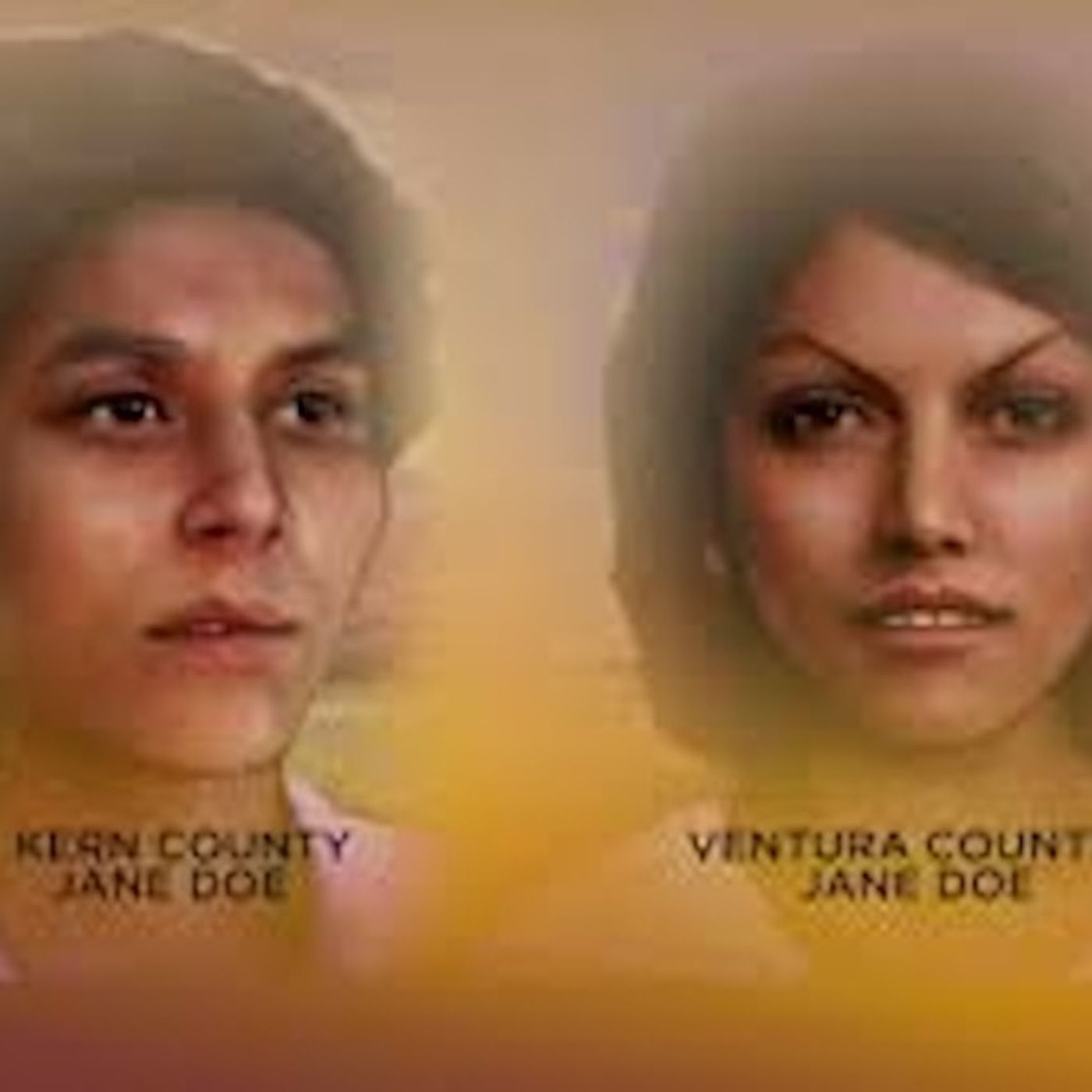
The Power of a Name: Identifying the Kern and Ventura County Jane Does
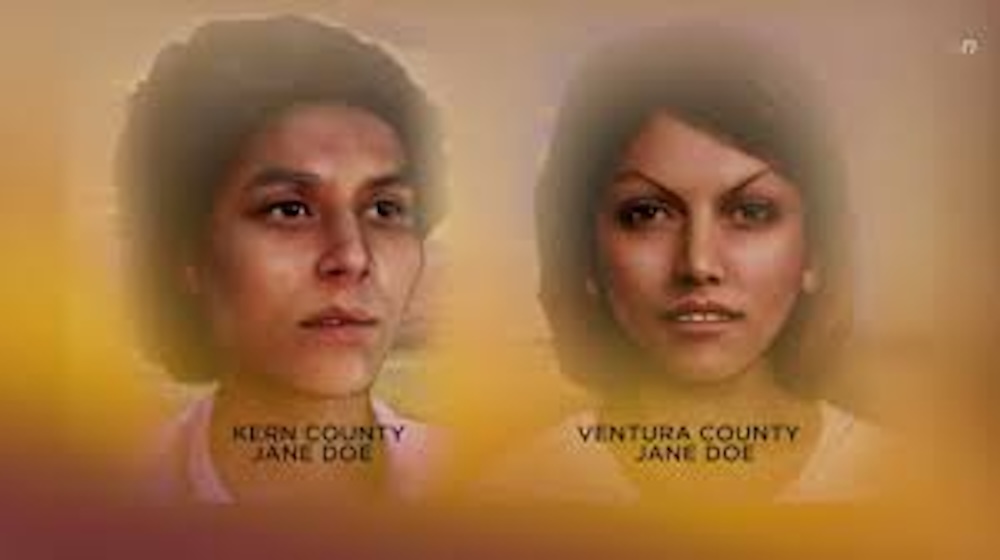
Welcome back to the blog for The Book of the Dead Podcast! In my latest episode, Chapter 133: Cold Case Breakthrough-The Murders of The Kern and Ventura County Jane Does, we delved into a story that has haunted investigators and communities for over four decades. This post will expand on the profound significance of giving a name back to the victims, exploring how the identification of the Kern and Ventura County Jane Does provides closure and honors their lives. We'll discuss the emotional impact of this breakthrough after decades of anonymity, examining the investigative techniques that made it possible and the deep human need to know who these women were.
The Enduring Mystery of the Kern and Ventura County Jane Does
For over 40 years, two women lay in unmarked graves, their stories silenced, their identities lost to the passage of time. Found murdered in 1980, one in Ventura County and the other in Kern County, California, they were relegated to the chilling classification of "Jane Doe." These designations, while necessary for investigative purposes, represent a profound erasure of individuality. They are placeholders, acknowledging a life was lost, but offering no solace to families who may have been searching, no tribute to the person they once were. The very anonymity that protected the killer in a way, kept the victims in a perpetual state of being unknown, their absence a gaping hole in the tapestry of their communities and families.
The Cold Case: Decades of Anonymity
The year 1980 was a time of significant change, but for the victims in these two cases, it marked a tragic end. The discovery of their bodies sent ripples of fear and sorrow through the respective counties. Law enforcement agencies, while dedicated to solving these brutal crimes, were faced with the immense challenge of identifying victims with no leads, no witnesses, and no discernible connections to each other at first glance. The passage of years only compounded the difficulty. Memories fade, evidence degrades, and the hope of finding answers can dwindle for those left behind, if indeed anyone was left behind who knew their fate.
The term "Jane Doe" itself carries a heavy weight. It signifies a life that has been interrupted, a narrative that has been cut short before it could be fully told. These women were not just statistics in a cold case file; they were individuals with lives, dreams, families, and loved ones. Their anonymity meant that their stories could not be shared, their memories could not be honored, and their potential contributions to the world were forever lost. This prolonged state of unknown was a silent testament to the brutality of their deaths and the enduring nature of the mystery surrounding them.
The Killer Identified, The Victims Unknown: Wilson Chouest and the Lingering Question
In a grim twist of fate, the perpetrator in these cases, Wilson Chouest, was identified and eventually brought to justice. However, the identification of the killer did little to alleviate the persistent question mark hanging over the victims. While Chouest faced consequences for his actions, the victims remained unnamed, their final chapters unwritten in the public record. This scenario highlights a common, yet deeply unsettling, aspect of many cold cases: the perpetrator is known, but the victims remain strangers to the world, their very existence reduced to a designation.
The investigative efforts that eventually led to Chouest's apprehension were undoubtedly thorough and persistent. Yet, the inability to put names to the faces, to connect these women to their families and communities, meant that a crucial part of the justice equation remained incomplete. For families of missing persons, the fear of their loved one meeting such a fate, only to be unceremoniously identified as a Jane Doe, is a profound and agonizing one. It is a fear that this case, for so long, embodied.
The Power of a Name: Why Identification Matters
The profound significance of giving a name back to a Jane Doe cannot be overstated. A name is more than just a label; it is an identity, a history, a connection. For the victims in this case, and for countless others like them, identification represents the restoration of their humanity. It allows their stories to be told, their lives to be remembered, and their families to find a measure of peace, however belated. It is the first step in reclaiming their narrative from the clutches of anonymity and violence.
When a Jane Doe is identified, it opens the door to understanding who they were. Were they a mother, a sister, a friend? Did they have aspirations, talents, a favorite song? This information, often gleaned from family members and friends, paints a picture of a vibrant individual, not just a victim. It allows for a more complete and meaningful remembrance, moving beyond the tragic circumstances of their death to celebrate the life they lived. This process is not merely an investigative triumph; it is a deeply human act of recognition and respect.
Forensic Genealogy and Investigative Advances: Rewriting the Narrative
The breakthrough in identifying the Kern and Ventura County Jane Does is a testament to the incredible advancements in forensic genealogy and investigative techniques. For decades, these cases remained cold, relying on traditional methods that had reached their limits. However, the emergence of sophisticated DNA analysis, coupled with the power of genealogical databases, has revolutionized cold case investigations. These tools allow investigators to trace familial connections, even from degraded DNA samples, providing a pathway to identification where none existed before.
Forensic genealogy works by comparing the DNA of an unidentified individual to genetic databases. These databases contain the DNA profiles of individuals who have voluntarily submitted their samples for genealogical research. By identifying close relatives in the database, investigators can then work backward to pinpoint the identity of the Jane Doe. This process requires meticulous research, careful cross-referencing of genealogical records, and often, direct outreach to potential family members. It is a painstaking but ultimately rewarding endeavor that has brought closure to so many families.
In the cases of the Kern and Ventura County Jane Does, this technological leap was the key that unlocked decades of mystery. It allowed investigators to move beyond speculation and guesswork, providing concrete evidence that could lead to a definitive identification. This convergence of science and human dedication is rewriting the endings of countless cold cases, offering hope where there was once despair.
Restoring Identities: The Journeys of the Kern and Ventura County Jane Does
The identification of these two women, finally given their names back after over forty years, is a deeply emotional and significant event. While specific details about their lives may still be unfolding, the act of naming them is a monumental step. It means that families who may have been searching, or those who never knew the ultimate fate of their loved ones, can now begin to process their loss with a clear understanding of who was taken from them. It signifies the end of a long and agonizing period of uncertainty.
One of the identified victims, Shirley Soosay, an Indigenous woman from Alberta, Canada, had been missing for decades. Her identification brought her remains home, allowing her family to finally lay her to rest with the dignity and respect she deserved. This journey, from an unidentified body in a California field to a recognized individual with a family and a homeland, is a powerful example of how modern investigative techniques can bridge vast distances and timeframes to restore a person's identity and connection to their roots.
The other victim, identified as Maricela Rocha Parga also had her story reclaimed. Her pregnancy adds another layer of poignancy to her story, highlighting the loss of two lives instead of one. The ability to identify her, to acknowledge her impending motherhood and the life she carried, offers a more complete, albeit tragic, understanding of her final moments. These identifications are not just about closing a case file; they are about acknowledging the value and inherent worth of each individual life.
Closure and Remembrance: Honoring Lives Erased by Time
The ultimate goal of identifying Jane Does is to provide closure for their families and to ensure their lives are properly remembered. For the families of Shirley Soosay and the other identified victim, this breakthrough represents a bittersweet release. While the pain of their loss will never entirely disappear, the ability to know who they were, to share their stories, and to give them proper burials offers a profound sense of finality and respect. It allows for a shift from the agony of the unknown to the complex, but ultimately more healing, process of grieving and remembrance.
These identifications also serve as a powerful reminder of the importance of not forgetting. They underscore the commitment of law enforcement agencies and organizations like the DNA Doe Project who tirelessly work to give names back to the nameless. By honoring these lives, we not only bring peace to their families but also send a message that no one is ever truly forgotten, even in the face of unimaginable tragedy. The stories of these women, now freed from anonymity, can serve as a catalyst for further dialogue about victim advocacy, cold case investigations, and the enduring human need for identification and remembrance.
Conclusion: The Lasting Impact of Giving Names Back
The identification of the Kern and Ventura County Jane Does is a powerful victory for justice, for humanity, and for the enduring power of a name. In our latest episode, Chapter 133: Cold Case Breakthrough-The Murders of The Kern and Ventura County Jane Does, we explored the details of this incredible story, from the initial tragedy to the modern-day investigations that finally brought these women home. This blog post has aimed to expand on the profound emotional and societal impact of this breakthrough. Giving a name back to a Jane Doe is not just about solving a crime; it is about restoring dignity, honoring a life, and providing a path towards healing for those left behind. It is a testament to the fact that every life has value, and every story deserves to be told. The work continues, and with every identification, a little more light is shed on the darkest corners of our history.
Unraveling the D'Lisa Kelley Case: A Timeline of Tragedy and Questionable Investigation