Unit 731 and the S.S. Ourang Medan: Uncovering the Chemical Warfare Connection
When examining the chilling maritime legend of the doomed Dutch freighter, investigators often look beyond simple ghost stories to explore terrifying real-world explanations. This deep-dive analysis examines whether Imperial Japan's covert biological warfare division, Unit 731, could be directly linked to the toxic cargo and sudden deaths aboard the infamous vessel.
Key Takeaways
- The S.S. Ourang Medan legend features a dead crew with faces frozen in absolute terror, suggesting exposure to an extreme, fast-acting agent.
- One prominent maritime theory connects the ghost ship's mysterious payload to Japanese chemical and biological weapons development.
- Unit 731, led by Shiro Ishi, conducted horrific human experiments with nerve agents, blister agents, and lethal pathogens during World War II.
- The destruction of sensitive Japanese wartime records has fueled decades of speculation regarding illicit chemical smuggling in Southeast Asia.
The Anatomy of a Maritime Mystery
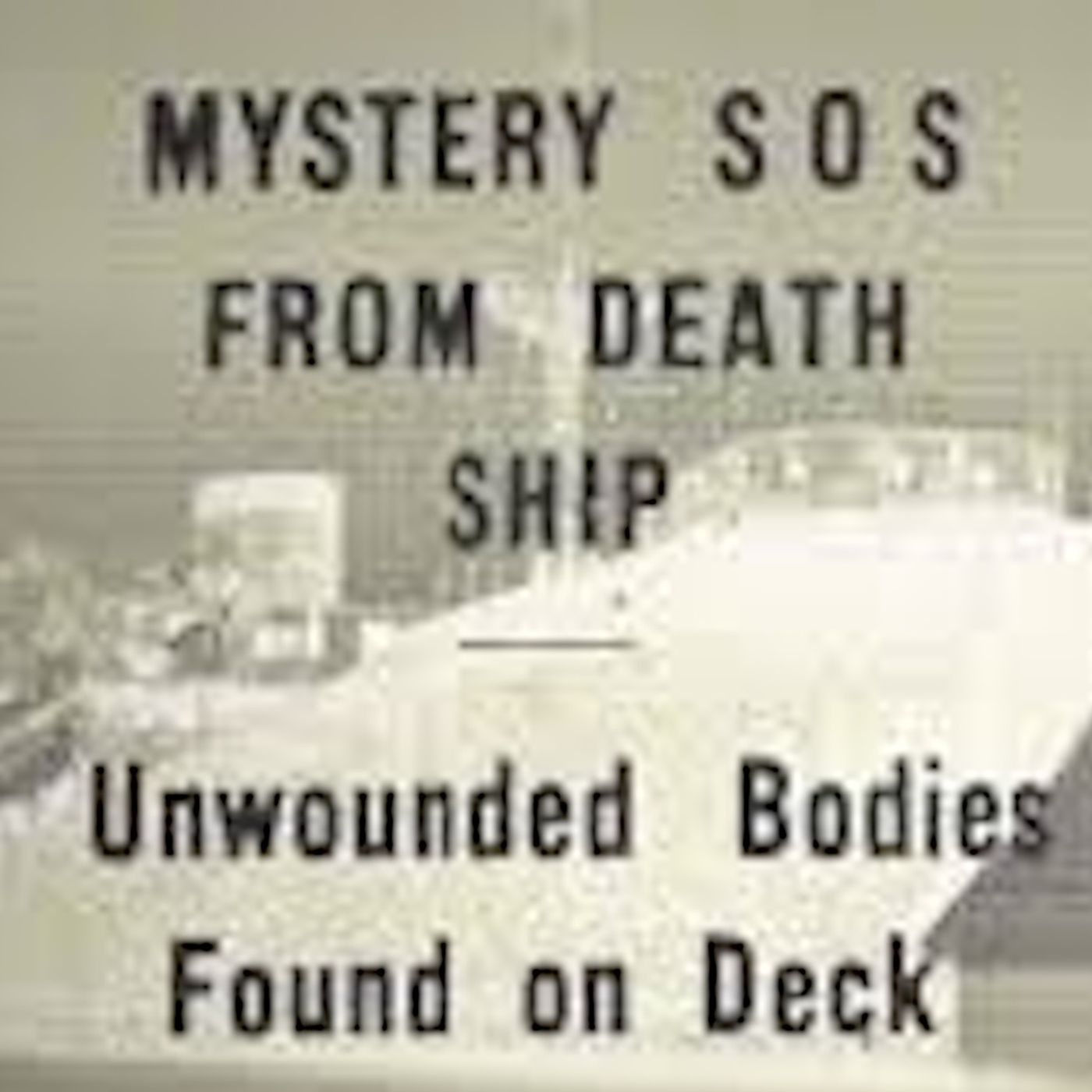
The core of the S.S. Ourang Medan legend relies on a horrifying discovery made by boarding parties in the late 1940s. Sailors and officers were found dead at their posts, their bodies completely unmarked by physical trauma, yet displaying expressions of sheer, unadulterated agony. The ship's dog was found frozen in a mid-snarl. These physical manifestations point away from traditional combat or piracy and point directly toward a silent, invisible killer: airborne toxicity.
While skeptics point out discrepancies in shipping registries and fluctuating geographic locations in various reports, true crime researchers and maritime historians have continued to search for plausible cargo manifests that could explain such instantaneous mass fatalities. Among the most compelling hypotheses are those involving highly volatile chemical compounds and secret wartime smuggling routes across the Pacific and Indian oceans.
Volatile Cargo Theories
Early alternative accounts published in the years following the alleged incident suggest that the vessel was carrying unauthorized, highly unstable cargo. Stories circulated mentioning unrecorded crates of potassium cyanide, nitroglycerine, and sulfuric acid. Under the intense tropical heat of the Strait of Malacca, improper storage of such lethal chemicals could lead to catastrophic container degradation, toxic vapor leaks, and ultimately, a massive explosive chain reaction.
Inside Unit 731 and Experimental Warfare
To understand why researchers connect the ghost ship to military programs, one must look at the dark history of Unit 731. Established in 1932 by bacteriologist Shiro Ishi, this covert military medical unit operated primarily out of the Pingfang district of Harbin, China. Its explicit purpose was to research and develop biological and chemical weapons in direct violation of the 1925 Geneva Protocol.
The atrocities committed within Unit 731 are well-documented by historical archives and survivor testimonies. Scientists conducted gruesome human experiments on thousands of prisoners of war and civilians—predominantly Chinese, Korean, and Russian. These tests included deliberate infections with plague, cholera, and anthrax, as well as testing the efficacy of various poison gases, frostbite treatments, and flamethrowers on unprotected human subjects.
The Secrecy of Defeat
As World War II drew to a close and Allied forces advanced, the Imperial Japanese military enacted a systematic cover-up. Facilities were demolished, prisoners were executed to eliminate witnesses, and sensitive research documents were burned or buried. Researchers who suggest a connection between this era and lost ghost ships argue that defeated military personnel or rogue operators may have attempted to smuggle remaining chemical stockpiles out of Asia via unregistered merchant vessels to avoid prosecution or to preserve experimental data.
Bridging the Gap: Fact or Conspiracy
Connecting the horrors of Unit 731 to a civilian cargo steamer raises complex historical questions. Critics rightly point out that no official military log or intelligence report explicitly ties a ship named the Ourang Medan to Japanese biological operations. The lack of paper trails is often attributed to the chaotic post-war dismantling of military intelligence networks and the deliberate scrubbing of illegal weapons transport manifests.
However, the psychological impact of the legend persists because it merges real historical terrors with the supernatural unknown. Whether the ship was a phantom born of post-war folklore or a disguised vessel carrying illicit, deadly armaments, the narrative forces us to confront the terrifying capabilities of chemical and biological agents developed during humanity's darkest conflicts.
Conclusion and Further Listening
The intersection of maritime folklore and dark military history proves that some mysteries are far more disturbing than simple ghost stories. While the true nature of the S.S. Ourang Medan may never be definitively proven, exploring the fringes of post-war smuggling and military experimentation sheds light on why this legend refuses to fade away into the depths of the ocean.
To hear the complete breakdown of this haunting historical enigma, including detailed accounts of the distress calls and alternative survival theories, make sure to Listen to the full episode of The Book of the Dead.
Frequently Asked Questions
What was Unit 731?
Unit 731 was a covert biological and chemical warfare research and development unit of the Imperial Japanese Army that undertook lethal human experimentation during World War II.
How does Unit 731 relate to the S.S. Ourang Medan?
Some researchers theorize that the ghost ship was covertly transporting experimental chemical or biological weapons developed by units like 731, which accidentally leaked and killed the crew.
Were chemical weapons banned during the time of the Ourang Medan incident?
Yes, chemical and biological warfare had been strictly banned internationally by the 1925 Geneva Protocol, forcing nations to conduct and transport such research in absolute secrecy.
Why are records of Unit 731 and the Ourang Medan so difficult to find?
Many Japanese wartime documents were deliberately destroyed before the dismantling of the units to prevent war crimes trials, mirroring the lack of official maritime registry records for the ghost ship.
Why Random Drive-By Shootings in 1980s Cold Cases Remain Unsolved