Apple Podcasts

 Spotify

 Castro

 RSS Feed
Chapter 110: A Hidden Crisis-American Infanticide & The Emilie Weaver Case with Clara S. Lewis
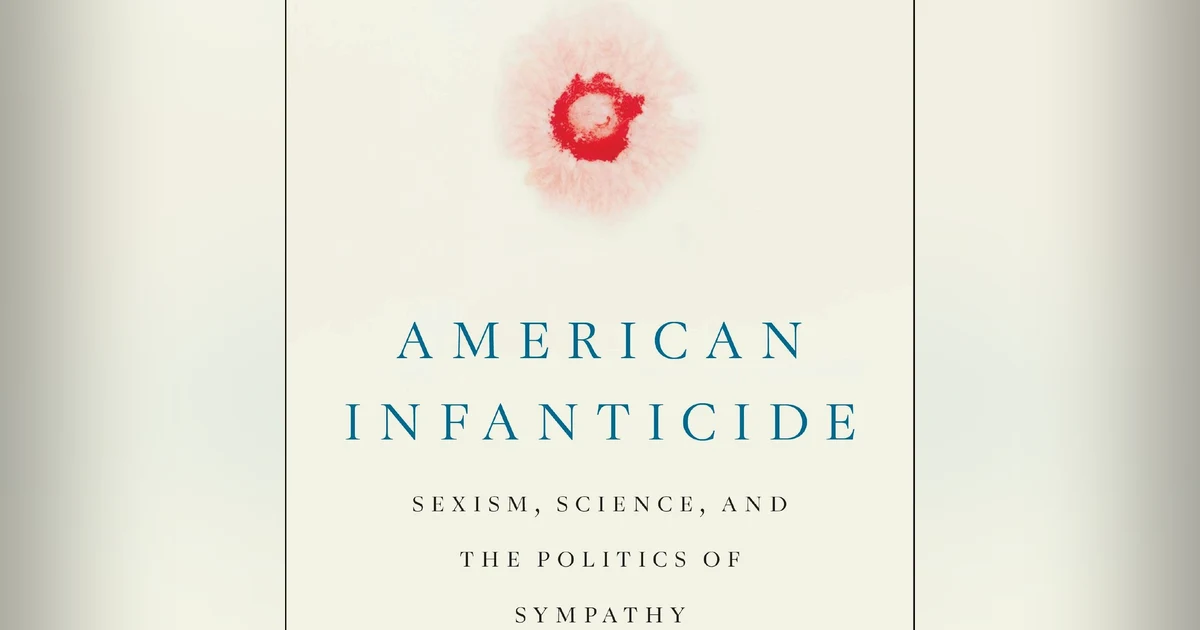
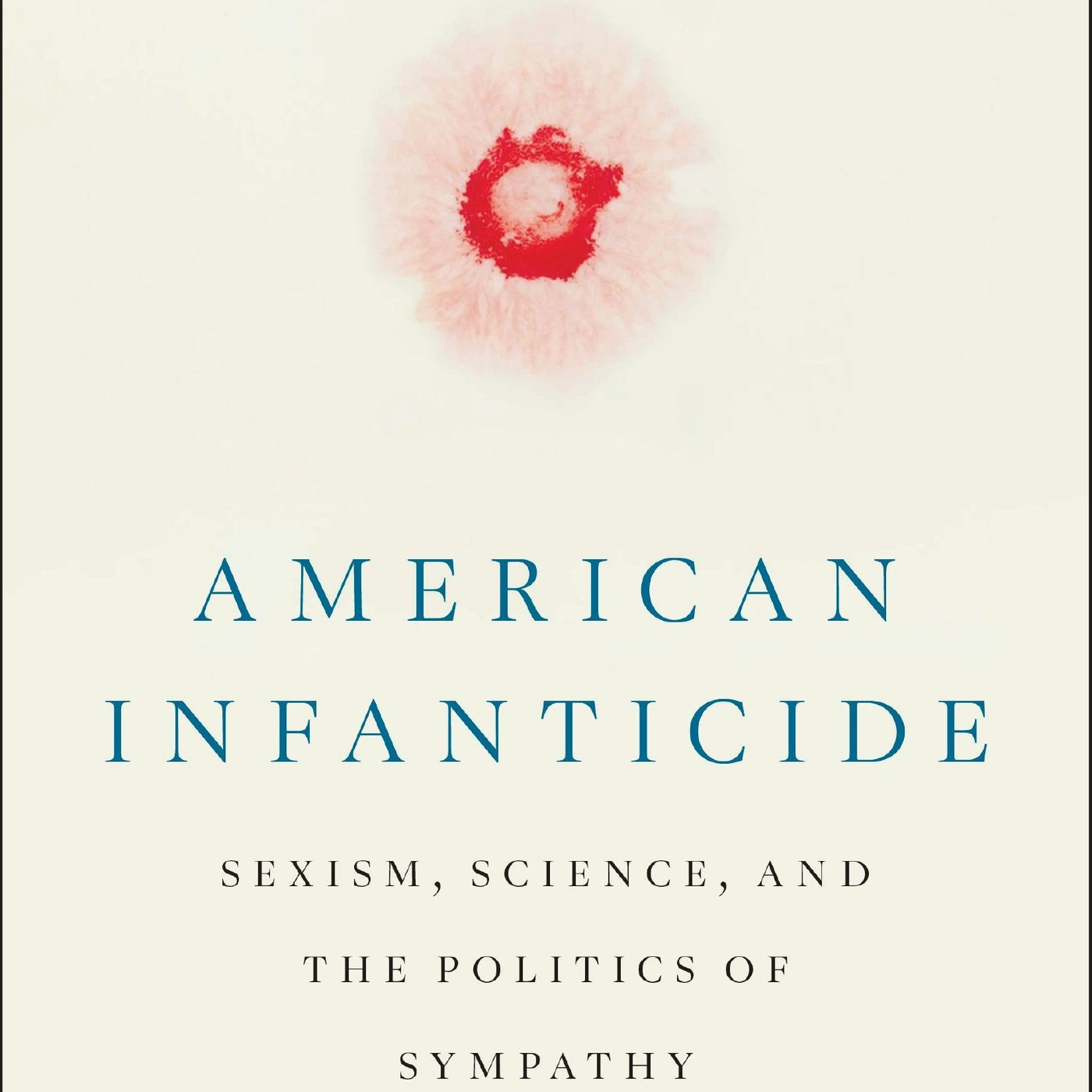
Today I sat down with Clara S. Lewis, author of American Infanticide: Sexism, Science, and the Politics of Sympathy, to examine the deeply unsettling and complex case of Emilie Weaver, a college student convicted of killing her newborn in 2015. Clara walked me through how the legal system, media, and public perception often fail to grasp the complex realities behind neonaticide and infanticide in America. From the influence of a long history of stigmatizing young mothers that shape how we respond to these tragedies, the systemic forces that leave young women isolated and desperate, we discussed why these cases are far more common and more misunderstood than many realize. This is a conversation about stigma, silence, and the consequences of a justice system ill-equipped to reckon with maternal trauma.
Get American Infanticide: Sexism, Science, and the Politics of Sympathy here
Connect with us on Social Media!
You can find us at:
Instagram: @bookofthedeadpod
X: @bkofthedeadpod
Facebook: The Book of the Dead Podcast
TikTok: Bookofthedeadpod
Or visit our website at www.botdpod.com
Learn more about Clara by checking out her Guest Bio at www.botdpod.com
0:00 Every story has a beginning, but not everyone has an ending. In the shadows of headlines and buried police reports lay the voices of the missing, the murdered, and the forgotten, waiting to be heard and have their stories told. This is The Book of the Dead, a true crime podcast where we remember forgotten victims of heinous crimes, reopen cold cases, re visit haunting disappearances, and uncover the truths buried beneath the years of silence. I'm your host, Courtney Liso, and every week we turn to another chapter, one victim, one mystery, one step closer to justice. Brought to you by Darkast Network Indeed Podcasts with the Twist. Hello, Hello, Welcome to the next chapter in the Book of the Dead. Today we are diving into a topic that is as haunting as it is overlooked in fanticide. While often treated as a taboo subject or an anomaly, my guest Clara Lewis, argues that this phenomenon is deeply embedded in the fabric
1:32 of US history, law, and culture. Clara is a scholar, researcher, and the author of American and Fanticide, Sexism, Science, and the Politics of Sympathy As well as Tough on Hate, the cultural politics of hate crimes, and she has contributed to leading journals. Now a faculty member at Dartmouth Institute for Writing and Rhetoric, Clara's latest book challenges readers to take a hard look at a subject that most would rather ignore, and asks us to reconsider everything we think we know about who commits in Fantaside, why it happens, and how society responds to it with sympathy or malice. Clara, thank you so much for joining me today. I'm very excited to have you.
2:19 Thanks so much for having me, Courtney, great to be here. So to start, can you tell me a little bit about yourself. Tell us a bit about your background and what led you to focus on in Fantaside as a subject of your research. Oh goodness, thank you for the question. I'm a sociologist and historian by training, and I'm also now a mom of two, which was not actually the case when I started this project. I had my second baby while I was working on the final edits for this book. I became interested in this topic after graduate school. I was putting together a new syllabus for a class that would be on crimeate control in the United States, and I was reading a bunch of books for that class, and I happened upon a book by the amazing historian Jeffrey Adler that looks at homicide in Chicago in the eighteen hundreds late eighteen hundreds, and he has an entire chapter dedicated to infant homicide in the city. And I was completely taken aback and stunned by the information that he shared in that work. Basically, he presents evidence on the sheer frequency or commonplace nature of infant homicide in that time period, to the point where Chicagoans would not have been surprised to encounter the corpse of a dead baby in the street, in a rubbish pile, in any waterway.
3:40 And I was just completely taken aback by that description of American women's history, and to find out, then digging into the deeper and even longer history, just that infant homicide and fanticide has been practiced in every known society and civilization going back to ancient history through pre modern and I had not learned about that. In my graduate program, I have a PhD in American Studies. I had been a teaching assistant for classes on US women's history and done a lot of work on sort of history of crime and control in the US previously. So to come to learn that this is actually the most commonly practiced form of homicide by American women over the nation's entire history, and to discover that after I'd already finished all of my graduate work was really really surprising to me, and it made me immediately feel interested in doing more research in that area. So that's the origin of the project.
4:36 At first. That's so interesting because I think a lot of people assume that infant homicide is very rare, it's like a modern phenomenon, which obviously is not the case. So can you explain kind of how it occurred throughout history, Like why has it gone so underreported? People don't talk about it. Yeah, that's a really great question for so many different reasons, and in some ways it ties in with how these cases, contemporary cases are misrepresented. There's often this undercurrent that this is like this modern or contemporary phenomenon, that our morals have been corrupted in some way and that that's the result here, or that we're seeing more premarital sex or teen sex or something along those lines, and it's attributed to this sort of contemporary moral order, But that really couldn't be further from the truth if we go all the way back to looking at like ancient Greek and Roman societies. If in homicide was actually written into law, it was legal, and it was the prerogative of the male head of household to decide which babies born under his control would live or die, and that was explicitly allowed in law and practiced widely. And in those cases it would be practiced for any number of different kinds of reasons, and that practice carried forward early Christian and Jewish societies, and they were sort of minority societies. Elites in those cultures were sort of the first to issue a religious prohibition against infant homicide and abortion, which were
6:10 sort of concluded in the same category. But you see, you have this religious elite rhetoric and condemnation. But if you actually get into the weeds with the demographics, you see that even in these Western communities, infanhomicide was still very widely practiced and for any number of different kinds of reasons. Some of it was about poverty and survival and resources, and in other situations it was more about prerogative preferring a particular sex over another, wanting a certain number of children and not more than that. So it could happen for all of these different reasons through this much longer history, and it's a really important part of Western history that has not been examined carefully until only very recently, even in the last i would say, just two years, we're seeing some of the first bigger studies come forward to public location.
7:01 Why do you think that is that it was so widely ignored for so long, Like it was it just a case of, you know, people kind of just having their head in the sand, or is it just that they really didn't understand that things like postpartum psychosis and economic instability, issues with reproductive care, Like was it an issue with them ignoring those issues or was it more of an issue of this is happening, but we don't want to talk about it because it's so terrible in her effect? Okay, I think there's a few different kind of factors there in terms of the underreporting or the understudied nature. And if we look back further, like why did we know so much about let's say, femicide in Eastern nations like India and China. This is widely studied by demographic historians in the West. They developed particular kinds of methods and techniques that worked to to sort of reveal those kinds of patterns, but they never applied those same research techniques to more Western context until extremely recently. The main historian who's done that work, who's phenomenal, Gregory Hanlin. He's distinguished faculty up at dell Housie in Halifax, Canada, And his argument is that basically this comes from a sense of Western superiority, this idea that parents in the West behave differently than parents everywhere else on the planet, and that that was just this huge blind spot, and that that sort of assumption or that particular kind of bias really shaped the historical literature for such a long time.
8:33 And then I think, if you're just thinking about the American context, that translates maybe even into the way we prefer to tell our national stories, and to what extent does American exceptionalism control that narrative. Are we willing to look at certain darker chapters or not, Are we willing to consider them as being central or not? And so I think that that also is a factor in these cases as well. Definitely, I think that makes a lot of sense because I mean, you look at at least in American history classes, there's a lot of rewriting of history, and there's a lot of things that aren't talked about, and clearly this is one of them. And I think, at least for me more recently, you hear about it more and more, and there's automatically this narrative that the mothers are inherently evil from the get go. And it's interesting to me because I mean, I do it myself. I'm guilty of about myself like this mother is terrible, she's evil, she killed her child, and how could anyone do that? But there's all these extenuating factors, and I think your book really makes people kind of think of those extenuating factors, because there are issues of women not being able to handle the weight of motherhood if they're going through pregnancy and labor and the prospect of motherhood alone, which I think a lot of people don't talk about.
10:00 Yes, I'm so glad that you picked up on that and are kind of like drawing our attention to that aspect of what the book reveals. I think that with young women today in these contemporary cases, the media representation does depict them as monster moms. They're really sort of stripped of any kind of individual identity or individual life circumstance. These cases are not all the same. There is an individual in a particular community that's going through something like this, and so it ends up looking on tabloid headlines like monstrosity or evil. If you actually sit down and have a more in depth conversation with the young woman who's gone through this experience, especially the case that I've foreground in the book, Emily Weaver's case, I really feel her biggest failing and the one that she acknowledges fully is failing to ask for help. And that's very different than having a criminal mindset, a murderous mindset, feeling paralyzed, feeling alone, and also not having a great understanding of what's actually happening in your own body. You know, those things to me don't translate to evil or malice.
11:10 I agree, and I think even just any woman on the street going through pregnancy or wanting to be pregnant, wanting to be a mom, like, there's still you're never really prepared. I mean, there's still that innate fear, and I think a lot of the issue lies with how someone handles that fear, whether they're internalizing it or asking for help, and whether there's help available. Speaking of Emily's case, Emily Weber's case is obviously deeply troubling. It's really complex, and I know that there's at least in my area that it wasn't widely publicized in my area in New Jersey. So for those that really don't know about it, could you kind of walk us through the key details of the case. Who Emily was, what were the circumstances, and what happened with her?
11:56 Okay, So I met Emily maybe a year and a half hour after her daughter, Addison died tragically. And I just want to start by naming the victim in this case, Addison Grace Weaver. Emily gave her her name. Emily was at her funeral, and you know, she's been dead now for ten years. She would be ten. Years old, if you know, for this conversation, if this tragedy hadn't occurred. So in twenty fifteen, Emily was just starting out her sophomore year in college in Ohio, small college near her home, with friends in her sorority house, and she had kind of a rough first year relationship. Things didn't go that great on again, off again.
12:38 So she has this sort of ex boyfriend in her life who is not supportive of her in any way, and she starts sort of having some pregnancy concerns later in the year. I would say Emily's pregnancy was completely unperceived originally, and it wasn't until much later in the pregnancy that she started to have certain concerns. The only person that she sort of felt safe confiding and about those concerns was the abusive ex boyfriend, who is incredibly unsupportive of basically just swearing her to secrecy, saying these things aren't happening. So at this point she starts sort of repeating this this inner monologue of like, this isn't happening to me, this is going to go away. Emily was, you know. A successful student athlete, all of these things in high school and college. She's busy in her sorority life, and you know, she's like an attractive and popular friend. People lean on her. She's very to someone who the other people can go to. In the spring, in April, much to her surprise, she finds herself going into labor. In her sorority house. The week before there was a horrible stomach flu going through the house, and Emily, when those early signs of labor kicked in, she just assumed she was experiencing the same stomach flu, which is actually really common in this particular kind of case, these new NATA side cases, which are just infant homicides that occur immediately at birth, within the first twenty four hours of life.
13:57 It's very common the young women in these situations do not know what is happening in their body and will retreat to her bathroom and assume that something else is going on in this way. And we should come back to this because that's a moment where a lot of intervention happens. Other young women will be taken to a hospital in that circumstance and deliver successfully and end up raising their babies really successfully. But for Emily, she was alone in the bathroom. And we all, you know, if you've been through childbirth or have had friends who've gone through it, you know and have gotten their sort of stories. It's something that sort of starts out kind of okay for a long period of time, and then heavy labor sets in, and it's suddenly very much not okay anymore.
14:37 What heavy labor set in, Emily lost consciousness. She ripped the toilet's set off. Basically, Addison ends up being born directly into the toilet bowl, which is again pretty common in these cases. Emily is still struggling to deliver the placenta. She's bleeding heavily, she has severe vaginal lacerations, she's severely injured. She's in and out of consciousness, and she's alone with both the newborn baby and the placenta is still attached, and she's in a state of complete panic, terror, complete disassociation, like hovering outside of her body, no ability to form any kind of conscious intention or motivation in that mental state, like we know this, And her first impulse was just, Okay, I've endured some kind of miscarriage. I just have to clean this up and get going with my day. So she in this panic state. It's early in the morning.
15:31 The other sorority sisters are still sleeping, like they're starting to wake up and come down for the day. She gets a garbage bag. She kind of wraps everything that's in the bathroom, like her bloody clothing, the paper towels, all these different things, and the baby ends up and the placenta end up in the garbage bag with all of these other items, and then she just sort of ties the bag and rested against the side of the house and doesn't know what to do with herself. She goes back into the house. She's just resting on the couch, tried to restore herself, and her plan is just to like carry on, you know. Later in the day, she's trying to do homework for a class that she's about to go to. She has like a report to deliver, a talk to give, and she's just trying to carry on as best as she can.
16:13 And in her mind, she's just telling herself she's endured a miscarriage and this must be what it's like. If she'd had. Any thought to conceal the crime intentionally, all she would have had to do is walk twenty feet down the driveway put the garbage bag in the cans that were at the curb to be picked up that morning. But she did not have that kind of intention or that kind of criminality in her mindset whatsoever. I think part of her, in the back of her mind was thinking, maybe you know, at that point in time, she was still depersonalizing Addison. So at that point in time, Addison wasn't a baby or a person to her. Addison wasn't it. But I think even in that state, she still thought maybe I should bury maybe I should try to bury bury it.
16:56 Reading about her case, it's very clear that she was almost like disassociating from herself, which I see why people want to villainize that, because it's you know, this isn't my baby. It's in it, it's a thing, it's not real, it's not really happening. And I think that automatically makes the public go, you're evil because you don't care, you don't have that maternal instinct. And I don't think that was the case with Emily, because it's not that she didn't have a maternal instinct. I think, at least from the way that you described in her book, and like what I've read about the case, it very much at least is clear to me that she was just so very convinced she wasn't pregnant. It wasn't happening to her, and I don't think she shouldn't. That doesn't make her evil, It makes her very scared.
17:48 I mean, Emily experience is a huge amount of grief and remorse, as does her family, And I should say that I think the thing that gets really overlooked in these cases is the extent to which families like deeply grieve these losses of the grandchild and the child, and that Emily had a moment of realization later. So in the moment of the tragedy itself, she's in a dissociative state, she's panicked, she's extremely medically injured, and what can we ask if someone in that state, I really like, I come back to that question, and I think Emily wishes deeply that she had just screamed for help and that someone could have rushed in and taken her to the hospital.
18:28 But she didn't realize what had really happened, in what she'd really lost until much later in the summer. So later in the summer, after. The autopsy, after all the forensic reporting had been conducted, Addison's corpse was returned to Emily and her family and they had an open casket funeral for Addison, and Emily picked out her little outfit for that funeral, and she also named Addison at that time and that's when she had that sort of intense moment of realization of what she had acted done and what she had actually lost, and it was devastating, and she had a complete panic attack in the parking lot at Babies r Us when she picked out the outfit.
19:10 And in a way, I think. Her life is defined from that moment forward of realization to this day, Emily dedicates herself to Addison's memory. Her mother attends to the gravesite extremely lovingly, like this is a huge topic of conversation for them in terms of their relationship too. And I think that public image of just oh, here's someone who's so callous, who lacks this innate maternal instinct is a huge mismatch for the psychological and medical reality of what someone like Emily actually endures in what they actually go through. You know, I think there's a certain assumption about the maternal instinct and how it operates that actually isn't that accurate for a lot of women, and that that can be kind of painful for some new moms. Is this sort of assumption that the baby arrives and the bonding is instantaneous that's not actually biologically accurate. Yes, bonding begins right at birth, but it actually deepens and develops over the next few days and weeks. That's natural and innate. And so the idea that like, oh, you've failed to have a maternal instinct because that the second of delivery you aren't acting in this completely altruistic manner, that's a really it's almost a cruel expectation to put on new moms that they would have that ability, or that they would have that emotional experience in that way.
20:27 Now, I agree, and because it's the experience is going to be different for every mother, regardless of whether or not it was a planned pregnancy. And when you add in all of these extenuating factors, a traumatic birth, a traumatic labor, it's hard to create a bond with what is essentially a stranger right off the bat. It's very difficult. In terms of the investigation into Addison's death, though, what stood out to you about how it was handled there? Obviously you speak about it in your book, particularly in comparison to other cases that she mentioned in the book. You know, what was your perception of that? Yeah, I mean, this is one of the things I would really love to raise awareness about and see changed moving forward. Emily was interrogated before she received any medical care, just twenty hours after the birth itself. Even less than that, actually, sorry, So she delivered Addison in the morning and then she's she voluntarily goes into the campus police station for her first interrogation that night, and she's still in this very dissociative state. She's still just trying to carry on as best as she can. She's still terrified to have any conversation with her mother, so she hasn't talked to her mom, she hasn't received any medical care, she's just had maybe one meal, and she finds herself alone at ten o'clock at night in the campus police station with a twenty year veteran from the force who had actually done an interrogation on a nearly identical NEONATA side case that occurred
22:01 on the same university campus twelve years prior. So he's very experienced with this kind of interrogation. And at that point in time, Emily still thinks she's just getting over a miscarriage and it's a miscommunication, and she's she's most concerned in that time with just getting ready for this presentation in her women's history class, like that's her biggest concern. So she voluntarily gives over her cell phone and she sits for this interrogation that lasts from ten o'clock at night till I believe three or three thirty that morning. Over the course of that interrogation, she's basically giving these confessions that are taking on more and more culpability. Then really makes sense and it would be advisable at any moment, And I think the main thing that should have been changed there is that confessions in these cases are forthcoming.
22:47 Women experience a huge amount of grief and remorse as soon as they realize what's really happened, and so I really think the more humane tactic would be to allow for medical care to begin, allow for a time where Emily was also interrogated again after she had medical care and surgery a second time, and she was still under all of those drugs and sedatives from the surgery she had to receive, and so both of those interrogations strike me as being inhumane and unnecessary in terms of being able to secure a confession from her. So receiving medical care and ideally having time to talk to a grief counselor as well, I think would lead to still an ability to achieve a confession, but to get actually a much more accurate understanding of what occurred. That those two things are really really important.
23:37 Absolutely, because I know that obviously they have the initial interrogation, and she's obviously in shock. She's gone through this trauma. She's actively still bleeding everywhere heavily because of all the damage that was done. So she's not she'sn't speaking as probably coherently as she could be. And then she's being interrogated directly after surgery when she's under the influence of all these pain medications. So her testimony to police has changed multiple times, and I'm almost curious as to how they could have navigated that accurately, because she gave two different testimonies. She said, first it was you know, she believed it was a miscarriage. She believed the baby was born still, and then after it was well, maybe the baby may have made a sound, maybe her foot was moving.
24:28 They kind of they act like it made her unreliable, but it's very clear that she was incoherent. So it's hard for me to, I guess, rationalize their thought process because you have two widely different circumstances. But I know that, at least in my opinion, they based a lot of it off of the text she sent to the boyfriend. And if you could explain a little bit about that, because I think that that's what really shaped how the media and the public opinion was formed of Emily. Oh yeah, those text messages ended up being featured in tabloid headlines all over the world, and they're probably the most known aspect of Emily's case. And you know, just in terms of the two police interrogations and the variation in her narratives there, right, the one that's occurring immediately after the birth, basically same day, and then the other that's occurring while she's still like just wheeled out of her DNC procedure, still under the effect of all of those different medications. So one, I think anyone would tell a confusing story if they were being interrogated in those two particular moments in life. And if you look at the way her narrative changes in small ways, what I see there, You know, women in these cases are known to be more passive, more people pleasing. I see her trying to make the cop happy, like she's she's trying to be agreeable, and she has no self protective consideration.
25:58 She is not trying to protect herself whatsoever. She is like trying to make the officer who she's viewing as an authority figure happy with how the conversation's going, and that ends up honestly ruining the entire rest of her life at this point in time. Where we're left at this point because even though she's had the benefit of having a much better post convictions appeals attorney a really brilliant one, and a new sentence a hearing, her first opportunity for role is still after twenty years, and her original sentence was life without the possibility of parole. Those two interrogations led to her being convicted for aggravated murder and receiving in some ways a really harsh sentence. Even for that, I think the text messages are in some ways some of the hardest evidence to really make sense of in this case, and they've been taken out of context and shortened. So if you look at the entire conversation, Emily texts her ex boyfriend after the labor and delivery before she's taken into custody that same day, and you know, at this point, no one knows which she's just been through what her or deal was. You know, I think if you look at this generation's text conversations too, like there's a snarkiness and there's like a darker, sort of sharp kind of humor. Man, that doesn't play well in courtrooms.
27:18 So again, so you're sort of seeing something generational in the tone and style of the conversation there. And yeah, she sort of is like, yeah, no more baby, is how she starts the conversation, because this was something that they had been going back and forth over and he was basically like, you better not be having a baby, and does anyone know, like keep the secret? So she writes to sort of have a bit of a job at him and just be like, yeah, it's taken care of. You know, this thing you didn't want in the first place is taken care of. And that ends up looking incredibly incriminating and awful, and it makes it seem like there's a lot of intention there. But if you keep reading the conversation, she invents a better story for herself where she was actually taken care of when she wasn't. And this actually breaks my heart because in the rest of the conversation, she basically says yeah, I went to a hospital and there were placenta complications and this is what happened. And of course none of those things happened.
28:09 She didn't make it to a hospital, no one took care of her. And I think she just wanted this better story, and she knew she was gonna. Have to follow up a logan. At some point that conversation gets taken so out of context it ends up making it seem as if she's acting with intention and malice when she really wasn't. And you can see this sort of. The way in which she and so many of us rely on narratives to create a better story for ourselves in life. And you really see that. Denial being a coping mechanism in so many ways, and when that's something that really was a huge part or defining aspect of Emily's childhood experience and how she was raised, and you just sort of see that mindset and it's really the only coping mechanism she was introduced to at home, within her family life. You really see that just sort of taking over and distorting things in ways that end up being taken out of context and end up being just so room for her.
29:01 No, I agree, and looking at the text, even taking them in the correct context and understanding kind of her mindset in the moment where she's trying to convince herself that this is what really happened. It's very damning, it is, and it is unfortunate because I do think that there were a lot of things that were taken out of context with the media and how it forms public opinion of her and how it impacted her case, besides the fact that she had a terrible lawyer. I do think that the text messages, unfortunately, you know, hindsight's twenty twenty. She never should have sent them, and she did, and it did negatively, really really impact her case.
29:48 Yeah, I think that's right, and I think obviously she would take them back if she could now. And I think when I look at it from like sort of a broader bird's eye view and I think about those messages, they make it easy to put her into that monster mom category or box, which is the box that we see the cases in this regard that our high profile all fit in that category. The woman is universally demonized. The cases where there's leniency don't make the news, so we're only going to see these cases where villainization is possible, sensationalism is possible. Emily's case, because of the setting in the sorority house, was sort of immediately of interest to tabloids and certain kinds of media, and the text messages just helped immediately sort of put her into that box.
30:34 And I think the risk of indulging in that is that it makes it seem as if women who are at risk for having something like this happen to them or doing something like this, are identifiable and evil and like this is not something that my daughter or my niece could be at risk for. And that's where we make the biggest mistake, because Emily is exactly like our daughters and our nieces and our best friends, and if she is at risk for something like this happening in her life, so are they, and so leaning into this ability to demonize her just makes us less willing to recognize risk around us and to sort of help take action and protect the women and girls in our life who might also be at risk.
31:18 No, absolutely, and looking at Emily's story, you see that it's not just certain cases where women could do this or have this happened to them. It quite literally could be the proverbial girl next door. I mean Emily and I are the same age. Yeah, we were in college at the same time. Like we're the exact same age. Like her story could very easily have been anyone that's my age. There's a lot of similarities there, and that's scary. It is it's scary. You know, it could be you know, my sister. Now, it could really happen to anybody. Speaking of the ones that or the cases where the women are I met with more sympathy. Why do you think that is where some women get that sympathy and others don't.
32:07 I think a lot of it has to do with who they're going to interact with at first, and to what extent that Like is it a medical professional or a family member, and are they given the benefit of the doubt right away in that moment. I think if Emily had been at home with her mom and had a miscarriage or had gone through a similar kind of ordeal take it to a hospital, what version of what really happened would have emerged first would be very different. And I think that's often the case, Like if a parent is bringing a child to a hospital and they're collectively in a state of panic, it's going to lead to a different outcome in terms like are we instantly calling the police? So I think the fact that she was alone, hadn't had a family member interact with her or a medical professional interact with her first, created a particular kind of legal vulnerability, and then just her mindset, which is also similar for other women in these cases too, can create that kind of vulnerability. That lack of that self protective awareness. And yeah, you know, I think a medical professional in this situation could choose to empathize or can choose to call the cops.
33:12 And it can go either way. If there's you know, I hate to say this, but it's definitely a pattern historically and today. If there's like a. Male family member, father particularly, who's stepping up for his daughter in this situation and speaking on her behalf, that ends up making a huge difference to in terms of public perception and awareness. If she's sort of embraced, is like this is a daddy's girl, or someone who's under the auspices of a male authority figure with more status, that can play a really decisive role too. That makes a lot of sense. I mean, having that male protection almost you know, because and unfortunately we still do this today, where a man's word is going to bear more weight. So if you do have that male figure kind of advocating for the woman, it just it makes their case stronger.
34:03 And I also think there were aspects of timing and local politics that played into Emily's case as well that really worked against her quite unfortunately. As I said, there was that case twelve years prior, same campus, same courtroom, different judge, same original interrogating officer, and public perception of that case. You know, that young woman received i believe, initially a three year sentence and then actually got out early after that. It was a much lighter sentence for that particular case, and the memory of that case was lasting. Public opinion of that particular sentence was extremely negative. People wrote really angry op eds, People were really up in arms by how that case was handled. And so I think Emily's case came immediately after that huge public reaction to that particularly more lenient verdict. And so when I see the decision to charge with aggravated murder, I can't but think it was also impacted by those local timing and politics as well. And then you see this courthouse in Zanesville, where these prosecutors go through their entire careers one hundred percent success, So that's a factor too.
35:14 No, absolutely, I agree that previous case definitely impacted Emily's. It almost like the you know, the community didn't want to repeat the same mistake, whether you want to view it as a mistake or not. The one aspect of Emily's case which I think a lot of people don't believe is something that actually exists, is the pregnancy denial that she was experiencing. So at least in your experience or your opinion, you know what could cause someone like Emily to completely convince themselves that they aren't pregnant? You know what? What are some of those factors in how it could create a circumstance like Emily's. This is the hardest question to answer on the stand when I'm doing expert witness work, and it's all the question I get asked most frequently my friends and family who are curious about my work, and it's certainly a question that I empathize with. I've been pregnant twice, and you know a very physical person, so for me, nothing could be more physically obvious than a pregnancy and me.
36:16 I think I was the most hyper aware of absolutely every single thing going on in my body for the entire nine months of both of my pregnancies, and like a very granular and very obsessive fashion. And I know that's true for a lot of expecting moms. And what I've had to learn and what I have learned over the course of doing this research and thanks to actually emerging in really interesting new research in neuroscience and medicine that's just coming out, is that pregnancy recognition itself is actually a really complex process for everyone. Like, let's set aside for a moment, women like Emily who experience an unperceived pregnancy or have a certain element of pregnancy denial and play, women like moms who are wanting babies, who are intentionally trying to get pregnant. Even in those situations, coming to recognize a pregnancy isn't like this one and done, like oh, conception and now I'm confident that I'm pregnant.
37:05 Moving forward, it's like, Okay, I'm starting to be aware that maybe this could have happened. Now, maybe I'll go out and purchase a home pregnancy test. Okay, now maybe I'll book a doctor's appointment and have an ultrasound conducted. Then Okay, which family members am I going to tell first? How concerned am I about potential miscarriage? I might choose to withhold that information for a long time if I'm having those kinds of concerns, because who do you want to follow up with and have to have that conversation with. So, even in situations where a baby is desired and planned, pregnancy, recognition is still this complex, multi step process that has huge implications for women's sense of themselves, their identities, their social life, their standing, and that can go so many different ways. And then just the raw recognition itself is accompanied by proactive help seeking actions, rallying your community, achieving medical care for yourself, prenatal care in this country, which is like an achievement for women in a lot part of the country, like I live in Vermont, there are rural parts of the state where that's hard to do.
38:09 So going through. Those help seeking processes and those processes of rallying your social network, you know, this takes the whole nine months and is really complex and multifaceted for all women. So that's important to consider first and foremost, just those complexities of pregnancy recognition. Then in cases where those two things don't go hand in hand, where recognition and help seeking aren't accompanied, that can happen for a range of really really different reasons, some of which are purely biological and medical, some of which are very psychological and social. So new research shows us that unperceived pregnancies are far more common than most people realize. One in between three and five hundred pregnancies in the US and Europe goes unrecognized till the third trimester. That's without any particular kind of conscious intension or shame or anything like it. Just biologically, women aren't aware that that's what's happening in their bodies, and it might be that they don't have the same sort of assumed normal signs and symptoms pregnancies described as cryptic, like the baby's positioning. The baby could be standing up inside the mother's body, and thus the weight gain isn't going to look the same. So all of these things can be factors and in play, and I think women in those situations ask themselves like, wait, am I experiencing morning sickness or gaining weight? What's really going on here?
39:29 And it can be murky and unclear. And then if you. Add the social aspects where it's like, oh, I'm not supposed to be pregnant, I fear that my community and my family will reject me. I'm not married. Like, there's all kinds of different things social norms, cultural norms, religious norms that dictate whether or not a new mom is going to be accepted and embraced or can anticipate being accepted and embraced. That could lead to those elements of shame and stigma where you might have more of a denial mindset coming into play. And in that space when we're kind of thinking about the psychology around denial is like a coping mechanism. One. It's not a conscious choice. No one is like, oh, I'm choosing to rely on denial to get through my day to day, right Like, no, we don't choose this for ourselves. What's happening is we're experiencing reality is unbearable and this is the only way that we can get through the day. And so that you're confronted with this reality that feels unbearable, it feels terrifying, and you're maybe having some rising intellectual awareness, especially in that third trimester, right, because we know that pregnancies proceed really, really slowly. You can be wearing your same genes up until really late, and then all of a sudden those genes are not working out for you anymore. And so then it's like, Okay, there's an emerging intellectual awareness I think I might possibly be pregnant, but there isn't the accompanying emotional awareness that would actually get you to take some kind of action to do something like, Okay, this is actually a crisis, like I need help. So you
41:01 have that intellectual awareness, but you don't have the emotional emotional reaction that would lead to actually finding safety for yourself for the labor. Again, I know a lot of people don't believe that this is a real thing. But in the same vein people also accept that a woman can convince themselves that they're pregnant. So and that's a deeply psychological thing too, where they experience physical symptoms of pregnancy even if they're not. So it's interesting to me that people accept that but not pregnancy denial. Yeah, that's actually in the DSM and a recognized condition. Now there's a move now by really wonderful maternal mental health expert, a close friend and mentor of mine, Diana Barnes, is trying working really hard to have unperceived pregnancy added to the diagnostic manual and recognized in this way, which I think would be a really powerful thing, and it would make a huge difference in terms of these kinds of trials, and it is it's really hard to understand, but the reality is that it's been experienced by women throughout history.
42:03 It's been reported on. It's not some novel. I've heard it described recently as like a designer defense, and that really really bothers me because it erases so much of women's experiences historically and today, also flattens out the experience of pregnancy for everyone, Like no I experience pregnancy in the ways it's described in the books, but not everyone does. And that sort of hubris of thinking that, like, my experience is the same as everyone else's, un thus someone else's isn't real that strikes me as just profoundly unfair in these cases, especially. Now, I agree, especially because it's not it's not a linear thing. It's not it's not a binary you know, there's there's so many different ways it could go. But how do you know, preconceived notions about pregnancy and motherhood influence the legal process in these cases. You know what is the impact that that has?
42:57 I mean, one, I think it ends up playing out in the young and who's experiencing pregnancy denials mentality, Like she'll be like, oh, I'm not gaining weight or I'm not experiencing warning sickness, and you see only going through that checklist in her mind later in the pregnancy and using it as a way to be like, oh, and this, I must not actually be pregnant. So it's like those assumptions and leading to even more taking out of risk for women in these cases. And then in terms of the trial context, this is so painful, but it ends up just really condemning women to harsher sentences than I think are fair appropriate. It makes them look as if they chose this for themselves and we're acting with greater intention than they really were, because prosecutors will often just completely dismiss it on the stand out of hand, and you know, judges who maybe haven't experience these these things for themselves will agree with that and agree that it's absolutely absurd. No one could possibly And that's where you see a huge benefit to having a maternal mental health expert testify and be involved in sentencing decisions, and just the sheer importance of that. And even in cases where that happens, sometimes that testimony will also just be dismissed out of hand. But in the absence of that testimony, it's really almost impossible to get past that set of assumptions.
44:16 I agree. And obviously you have circumstances where the mothers kill their infants or I mean in like brutal ways. You know that's that's different to a case like Emily's, where there were so many factors. You know, she herself didn't intentionally try to kill her child, she didn't brutally murder her child. The punishment has to fit the crime in that regard, I don't believe that you know life in prison is appropriate in Emily's case, whereas you know life in prisonment may be appropriate in another woman's case where they brutally murdered their child. So in terms of like policies and interventions that could prevent in fan aside, what at least can be done to identify like high risk situations, do you think, well, I.
45:05 Just want to quickly follow up on what you just said, because I think it's so important to underscore that, Yeah, Emily's case ends up getting prosecuted as an aggravated murder, but if we look really carefully at what really happened during the tragedy, it's a tragic accident, and her biggest sort of fault was not was failing to ask for help. So for that to be prosecuted as and aggravated murders is very inappropriate and just doesn't look accurately at the facts of the situation, and prevention is really tricky. So this is kind of a whole separate and different conversation, And I think the first thing I would want to say is a bit of a coveyat or just sort of like an asterisk at the front of the conversation, which is that we're seeing so many policies now that are leading to increased scrutiny of possibly pregnant women and young women, and I do not support her endorse any policies that would deprive younger women who are potentially at risk of getting pregnant for any violation of their privacy above and beyond anyone else in society, and it would lead to potentially even greater risk and greater kinds of concealment.
46:11 So it's really important not to be sort of like hyper scrutinizing in that particular way, and or to assume that those kinds of policies would help save infant lives. I absolutely disagree with that. And then I think, you know, neonata sides and the kinds of cases like Emily's, which are infant homicides and or tragic infant deaths that occur right at birth, are actually a very small percentage of the overall infant homicide rate in the US, and other forms of infant homicide that occur slightly later are actually, i to my mind, easier to prevent than neonata sides and really shouldn't be considered first and then above and beyond that. If our true focus is really saving babies, which is such an important objective, we have to think even more broadly about infant mortality in the US first and foremost. If we're just thinking about prevention, we really want to start the conversation with infant mortality, because we have much higher rates of infant mortality in the US than other countries with similar economies and similar political systems, and that has to do with entirely preventable infant deaths that occur largely because people don't have the right access to the right kind of health care, and that we really have to look at those cases first and foremost, Like, if we're thinking about public health policy and we're thinking about allocating resources, that should really be the first part of that kind of conversation. Then we could step back and we could look at the infant homicide problem. These
47:43 are much smaller numbers. The majority of infant homicides in the US occur later in the first year of life, and they're accidental deaths caused by male partners during episodes of physical abuse committed against the infant. And these cases, I think are more susceptible prevention one because they're accidental and they're usually not the first instance of physical abuse against the infant. So this is a baby that's already been brought to the hospital and seen by medical staff more than once because of physical abuse in the household, that then is rushed back in in an emergency context and dies. So that to me suggests that if medical professionals are seeing physical violence against a newborn to be highly concerned that there is risk that this baby could be killed later and to sort of try to intervene very assertively in a moment like that early on, and to sort of notice that that is the bigger infant homicide problem in the country and that we have really higher rates of this to other countries. That are necessary, and I think we have to have a conversation it's very hard to have about physical abuse and about violence within families and also just physically putative forms of discipline and how in appropriate those are for babies and young children.
49:03 I'm glad you mentioned that, because it is primarily later on in an infant's life, you know, later on in that first year, where if they are being killed, it is for reasons like that, because of physical abuse, whether accidental or not. And I think in the sense of women that are where their children are dying immediately after birth or you know, within the first hour or so, it's not necessarily because they are inherently evil, like as we've said, it's there's a lack of help that they have, and that, at least in my view, is what's needed, is that there's that critical lack of resource. Theres a critical act of healthcare and that we just keep shurping away more and more, and that's where that problem lies.
49:56 Absolutely, And I think if we get closer to those small all our numbers of infant homicides, there's ones that happen in the postpartum period, and then there's the neonata sides. So the ones that are there's actually about a quartered to with a third of infant homicides occur in that postpartum period, but the ones that happen after the first day of life are actually again more susceptible to intervention because those are the ones that are caused when women are dealing with postpartum psychosis severe postpartum depression. They're having both suicidal and homicidal thoughts idiations, and that's. Terrifying for them. Those women are far more likely to seek out help, and they're more likely to talk about the suicidal ideation than the homicidal one. But again, for medical professionals to be aware and to be concerned in those situations, there's really room to intervene there. And I've seen sort of the leading forensic psychiatrists who do work in this area also argue that those kinds of infant homicides are more preventable than the neonata side cases now side cases. It's really tricky because, you know, the cases I've looked at really in depth and closely, there's often a kind of whispered awareness in the community around the woman that this is something that is happening. This takes the form of gossip, right, So there's a certain gossip network that this is happening, that this person is pregnant.
51:20 So you're seeing this. Buzz around the young woman. And and then you know, if you look at Emily's case, you can even see concerned friends trying to get through and ask like, hey, we're in the mall uh at the food court, do you maybe think you might be pregnant? Or there's another situation where they're in the kitchen together cooking, and you know, her house manager asked her directly like are you pregnant? And in those situations, you know, Emily's reaction is just to say no, and everyone just kind of moves on with their day and gets back to it. And I look at that and I think, Okay, yeah, if you're going to try to intervene in a situation like this, you are violating so many social norms. You have to be so impolite to say, like, hey, you're gaining weight in this really obvious way.
52:10 What the heck? You know? I think that for most people, it's not some like cruelty to be gossiping. It's a politeness, it's a conformity to a social norm. And then it's also that way in which narrative protects us and we want to support our friends better story for themselves. And you know, I'll say, at first, when I started doing research on this case, there was a part of me that was actually angry, I think, with the sorority sisters for gossiping and not intervening. And then the more I thought about it, and the more I thought about myself at that age, I realized that I would have done exactly the same thing in their shoes, and that I actually had done the same thing, not in terms of unperceived pregnancy, but friends with really severe eating disorders, friends and abusive relationships. I think these are really similar kinds of situations where intervention is so different, occult, and so necessary. I don't think the circumstance is that different from a friend who's yeah, in that abusive relationship that could get really dangerous, or who's suffering from you know, even other kinds of like addiction disorders too, Like how do you intervene? It's not enough to just say, hey, do you think this relationship is getting dangerous? And then it's a first and says no, I think it's going to be fine to back off. I think if I was going to try to talk or try to offer a script to concern friends, it would be something like sitting down holding a hand, saying, you know, unperceived pregnancy is real. If this can happen, you could be pregnant and totally not even know about it, and that happens
53:40 way more frequently than people realize. Why don't I you know. I got a pregnancy test right here. Let's just take it together. I'll hold your hand the whole time. If it comes back. Positive, you still have lots of good options, and I'm going to help you figure out which one of those good options works best for you. If you can want to keep this baby, I'm going to be so I'm going to throw the baby shower for you. I Am going to be here for you every step of the way and to just help actually overcome the fear of seeking help and to sort of initiate in that kind of way. But I don't think that's an easy thing to do. And I think we have to be loved so well by the people around us to have them step up for us in those ways.
54:23 Absolutely, it's as you said, it's difficult to have those conversations in general, regardless of whether it's pregnancy, addiction and music relationship, because it's uncomfortable. It's uncomfortable for anyone to bring that up because you know you're going to if you're wrong, naturally offends that person. And you know, barring someone that doesn't care about things like that, that's not something anyone wants to do, especially someone that you in Emily's case, you're living with in the same house. You know, whether it's your friend or family member. Like, it's really difficult to have that conversation, and people are naturally to shy away from it. They may ask, but if they get to know, they're not going to press the issue.
55:04 And it's understandable why, because it's so incredibly uncomfortable. I can understand why her sorority sisters were like, Okay, like that's fine, you said you're not I'm going to believe you. I'm going to take you out your word, because to press the issue makes you look like a jerk. And people, especially you know, a young girl, doesn't want that. They want to be liked, They don't want to offend their friends, especially if they have to share a space with them. So, as you mentioned before, you you've served as an expert witness in some of these cases, including Chloe, Copeland Anderson's case. What was that experience like for you? If if you don't mind sharing and personally professionally, how did that impact you.
55:46 This is the first case that I've actually worked on, not just as a as a researcher studying the case, but actually showing up to testify in the courtroom and submitting official reports in that way. Chloe's case is really horrific, one of the more violent NEONATA sides I've ever seen. Chloe ended up stabbing her baby multiple times in the throat and heart, you know, so clearly it's a really different kind of a case. And also so the NEONATA side itself is more violent than most NEONATA sides, and Chloe's life leading up to that was also so much more violent. She's someone who's just experienced nothing but extreme mental and physical abuse in her family. For her entire life is just defined by that, as well as different kinds of abuse by other family members, things that are still coming to light and still being investigated now. And I think that in some ways her extreme history of trauma and abuse is barely known and would never have even been really brought forward if it hadn't been for the trial. And then sort of like the reports that were written at that time, that case was really hard to work on. I you know, I think that Emily's case was also hard to work on, but for different reasons.
57:02 And what ended up being fortunate in this case was that because I'd gone through what I went through around Emily's case, I knew to seek out more therapeutic support for myself before interviewing Chloe, before going out to Nebraska, and before going through her police file. Because when I originally went out to Ohio to interview Emily and to go through later to go through the police file there too, which includes all the crime scene photographs and autopsy photographs. I think that because my background as a sociologist and a historian, I didn't have the same kind of awareness of secondary trauma that you know, a forensic psychiatrist or a psychiatrist would sort.
57:44 Of know going in. So I didn't have any sense of what secondary trauma was when I started doing work in this area, and it wasn't until it had really like messed with my nervous system, I would say, actually for years that I began to take it seriously to acknowledge it. So like originally I had. Tons of physical symptoms, I would lose my appetite. I mean, I honestly think I lost my appetite for actually years at a time, and also just like tons of inflammation and other. Things like that. And so I knew that if I was going to really be able to be of service to Chloe and to really see her case acturately, I was going to need more support. And I was actually able to connect with a really wonderful therapist in my area here who works with therapists who are exposed to a lot of secondary trauma and come to find out there's a lot of ways of coping with it that are more healthy, And through that process, I've really learned to like be emotionally expressive in the moment, and also that there are certain things you can do immediately after looking at images or having particular kinds of conversations, and so I've found I've ended up finding a lot more support for myself.
58:52 And I would certainly encourage anyone who's thinking about during work in areas where they are exposed to secondary trauma to seek that help out, because the resources are there and it's really really powerful, and overall, I think it's helped me psychologically so much separate from the work, just in terms of my everyday life as well. That's so important, and I've talked about this countless times. Especially when you're involved in this space, whether it's actually working with crime, you're working with people that I've been through extreme traumas, you are at risk for traumatizing yourself. I have traumatized myself working on some of the cases I worked on, reading or watching things about some of the cases I worked on. It's deeply traumatic, and I've physically reacted to the cases that I've researched, or the pictures that I've had to look at, or the transcripts I've had to read, like it can be deeply traumatizing.
59:45 And so for anyone like going into that space, whether professionally or just because they have an interest in it. It is so important to protect your well being because it can have such a deeply profound negative impact on your psyche and your physical and your mental health. Yeah, for me, it's just it took such a hit on my nervous system and it's so hard to switch out of that gear. And I think it's fascinating that it's a species that's how our bodies react, that we experience each other's trauma in those ways, or if we're going to empathize with these kinds of experiences, that like we fully take it on in that way, and that the body can't really tell the difference. And I think that's sort of fascinating in terms of who we are as a species. But I mean it does raise something like, you know, doing the work that you do and exposing yourself in these ways and our curiosity about these kinds of things, it can end up having a more negative impact than we anticipate or prepared for.
1:00:41 Oh. Absolutely, How do you balance professionalism with the emotional weight of these trials? This is something that I'm always super interested in hearing other people that work in this space navigate because it's so different for everyone, So you know, how do you navigate that. This reminds me of the first time I met actually doctor Diana Barnes, because we both were at Emily's resentencing hearing. I was just reading a statement. She was giving testimony and facing questions and cross examination questions. So I got to watch her testimony and she got to listen to my statement, and then we were both just sort of outside the courtroom in the hallway at the end of the day, and we knew the decision at that point was the best possible outcome that could have been achieved.
1:01:32 So Emily had originally been sentenced to life without the possibility of parole, and then thanks to really brilliant lawyering by Rachel Troutman, she achieves the resentencing hearing and is given the minimum sentence for aggravated murder in front of a different judge, a female judge, And at that point emily sentence goes from life without the possibility of parole to parole eligible after twenty years. And we're out in the hallway, and this is before I've received any therapeutic treatment for work on these cases. And doctor Barnes, beloved just is weeping and she's so grateful for the outcome, and she's just so emotionally present to herself in the moment and also so aware of the positive impact of the work that she's just done. And I'm holding her and reponding and like this is the beginning of a last dipping friendship and mentorship for us. But I'm watching myself and I'm completely numb. I'm feeling absolutely nothing standing there.
1:02:30 And then I go back to my hotel room by myself and I'm having an adult beverage, and it's just a sadness that's like an iceberg, because for me, it actually made Emily's sentence real and now the reality that at least you know that she's going to be that she mean, she's already spent, by the way, her entire twenties incarcerated. She's in you know, she's thirty now, so she's already spent this last her entire decade with no end in sight. And so for me, it just felt like this intense, immovable kind of grief on her behalf, and that this just made her sentence even more real to me than it even had been previously, because the sort of duration of life without parole is sort of a morphous and that was my first indication that HAPCA background in psychiatry would probably like an advantage.
1:03:18 To doing this work. And it made me in a way envious of Diana's access to her emotional life in real time, and it made me curious about what that would look like for me too, Like, Okay, I think that there's something about being able to just have that expression in real time that is clearly an asset to one's well being. No, absolutely it is. What do you hope readers take away from American and Fanticide One? I hope the perception of Emily's case changes profoundly, and I hope that this creates a great deal of empathy in her specifically and her family. Beyond that, I think Emily was extremely generous in sharing her story with me.
1:04:07 We spent three days together. We went more into the weeds than any prior research has ever gone. My book is the first to actually talk about the experience of childbirth and relation to these cases, because usually it's a more clinical kind of an interview and that's just not included. But we did a semi structured interview and I let Emily direct us to where we needed to go, and we spent three days together, and she was willing to talk to me in that way and share her story with me in that way. This is after her conviction, because she's literally sitting in her cell and watching similar cases on TV unfold. And Emily also cares a lot about prevention, and she shared her story with me more to help raise awareness than to help herself. She's an extremely generous person in those ways, and she really wants to see more awareness around unperceived pregnancy in the hopes of prevention and also in the hopes of just better understanding for women who aren't helped.
1:05:05 What do we do after the fact, what does justice really look like? And so I think her story helps have that kind of conversation. And I would hope that one readers see similar headlines in tabloids and they see that monster mom stereotype popping up, that they just pause for a second and just consider that that might not be the whole story. Usually these stories run before there's even been a trial, with zero investigative journalism, and so no one has actually talked to the young woman involved before they're publishing these stories or gotten any sense of what her real experience was, and to just have more a measure of skepticism and refrain from rushing to judgment until there's better or more information available.
1:05:51 Absolutely, I agree, and I hope people do have that takeaway from your book. It was a takeaway that I had. It's I'm more cognizant of the realities of what some of these women could be experiencing. And I think that people should also have that awareness, because I mean, we see it all the time with any crime that it's it's not always as cut and dry as people think. And unfortunately, you know, the innocent until proven guilty thing is not true in the court of public opinion. So I think people just need to take a little bit of a pause and really take into consideration the extenuating circumstances that could have occurred in cases like this. It has been wonderful talking to you. I really appreciate having you on. Tell everyone where they can find your book.
1:06:40 I will put it in the source notes below, but you know, where can we find it? You know, as you have any upcoming projects or research that you're working on that you want to share. Oh goodness, you can find the book anywhere you most like to get books. You could go directly to Rutgers University Press. If you're not anti Amazon, you can do that. My local bookstores care, but it should be really available wherever you like, to wherever you prefer. In that regard, and I am wrestling and debating with upcoming projects, I would say that my different passions. Are competing with each other. Part of me is like I'm not writing another book. I'm gonna train for this longer running event or something like that. But of course there are things that are sort of on the horizon that are attempting to me.
1:07:23 I should be working on an academic article, but thanks to our mutual friend Brian Santana, I'm certainly considering doing something that's a little bit more in the true crime space. I think it's interesting to me to think about if I switch the priorities, because in this book, being a historian sociologist came first above being a storyteller, and I think I still have a lot of narrative storytelling qualities to the writing, but my ethics and my priorities were aligned in that way, and it would be really interesting to still bring that research skill set and prioritize the storytelling piece too, So I'm flirting with the potential of that kind of next product. Well, that would be really cool to see. And I very much look forward to your next work because this one was wonderful to read. Really, as I said, really thought provoking to you guys listening. As I said, you can find Clara's book and the source notes below. I urge you to check it out, especially if you know you're willing to kind of broaden your horizons and take a look at how your preconceived notions lead you to look at cases that you hear and read about. But as always, thank you so much for listening, and I will see you in the next chapter of the Book of the Dead. Bye, guys. Another page closed. But the story isn't over for the families left behind. The pain doesn't end when the headline's fade. And for the victims, we owe them more than silence for our on solved cases.
1:08:57 If you have any information, please reach out to local authorities or visit our show notes for links and resources. Someone out there knows something, maybe it's you. Thank you for listening to the Book of the Dead. If this story moved or spoke to you in some way, talk about it, share it, keep their names alive. Until next time, I'm Courtney Liso. Stay safe, stay curious, and stay vigilant. And remember the dead may be gone, but their stories will not be forgotten.