The Art of Deception: How Tatsuya Ichihashi Evaded Capture for Two Years

In the quiet, orderly streets of Japan, a country known for its high level of public safety and rigorous law enforcement, the murder of Lindsay Hawker remains a haunting scar on the national consciousness. Lindsay, a 22-year-old English teacher brimming with life and curiosity, represented the best of the international community in Japan. Her tragic end in 2007 was not just a singular act of violence; it triggered a massive, complex, and emotionally charged manhunt that would stretch across two agonizing years. This blog post delves into the chilling reality of Tatsuya Ichihashi’s flight from justice, a narrative defined by calculated deception, self-mutilation, and an exhaustive search that tested the resolve of investigators and a grieving family. To get a deeper understanding of this case, listen to our full coverage in Chapter 147: Japan's Most Wanted-The Murder of Lindsay Hawker.

The tragedy of Lindsay Hawker
Lindsay Hawker arrived in Japan with dreams of exploring a new culture and imparting her knowledge of the English language. By all accounts, she was a vibrant, kind-hearted woman who found beauty in human connection. It was this very openness that made her a target. Tatsuya Ichihashi, a man she encountered, displayed a persistent, predatory interest in her that transcended the bounds of social normalcy. Despite her clear boundaries, he manipulated his way into her life under the guise of wanting private English lessons. This interaction was the beginning of a terrifying sequence of events that culminated in Lindsay’s abduction and murder at the hands of a man who treated her life as expendable.
A desperate escape: The immediate aftermath of the crime
When Lindsay’s colleagues at the English school realized she had not arrived for work, the alarm was raised. Police arrived at Ichihashi’s apartment to conduct a welfare check, a routine action that transformed into a frantic crime scene investigation. Ichihashi, realizing the walls were closing in, made a split-second decision to flee. In those initial hours, he scrambled to abandon his life, leaving behind his belongings and effectively plunging into the shadows. The police, though swift in their response, were hampered by the fact that the primary suspect had already vanished into the bustling, anonymity-rich environment of the Tokyo metropolis. The escape was not merely a physical act; it was a psychological break from his previous identity.
Life on the run: Navigating the shadows of Japan
The life of a fugitive is often romanticized in fiction, but in reality, it is a relentless, suffocating existence of constant paranoia. Ichihashi did not simply hide in one location; he moved across the vast landscape of Japan, utilizing the anonymity provided by dense urban areas and remote regional locations alike. He avoided mainstream society, steering clear of anything that might require official identification or social interaction that could lead to questions. By staying in the margins—sleeping in parks, staying in internet cafes, and avoiding public transport—he successfully managed to slip through the fingers of an authorities who were, at that time, learning the true extent of his capabilities for deception.
The art of deception: Strategic plastic surgery and appearance modification
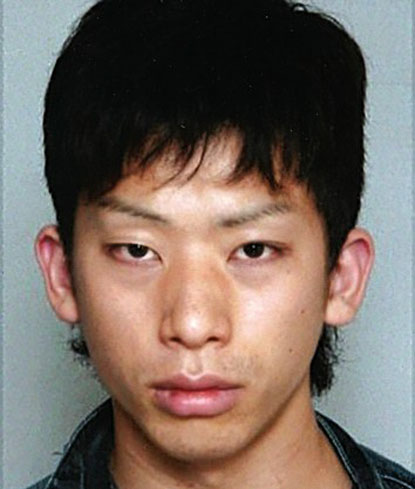
Perhaps the most disturbing aspect of Ichihashi's evasion was his deliberate attempts to change his physical appearance. Recognizing that his face was plastered on posters across every train station and convenience store in Japan, he sought to alter his features through self-administered and illicitly performed plastic surgery. He reportedly cut his own lip and used a knife to alter the shape of his nose, acting with a level of cold, surgical detachment that reflects his total lack of empathy. This form of self-mutilation was a calculated attempt to render the police sketches useless. It is a testament to the desperate lengths to which a cornered criminal will go to preserve their freedom, highlighting the chilling lengths he was willing to go to deceive those hunting him.
Under the radar: Survival tactics and working odd jobs
To survive for over two years without being identified, Ichihashi had to secure financial resources. He took on various odd jobs, often working in manual labor or temporary construction roles in areas where employers were less likely to demand formal documentation. These environments are often unregulated and transient, providing a perfect cover for someone who desperately needs to remain invisible. He led a life of extreme minimalism, living on meager earnings and avoiding any social contact that might leave a paper trail. Every meal, every commute, and every night of sleep was a risk—a constant, high-stakes game of hide-and-seek where one slip-up would have meant the end of his freedom.
The manhunt: How public awareness finally brought a fugitive to justice
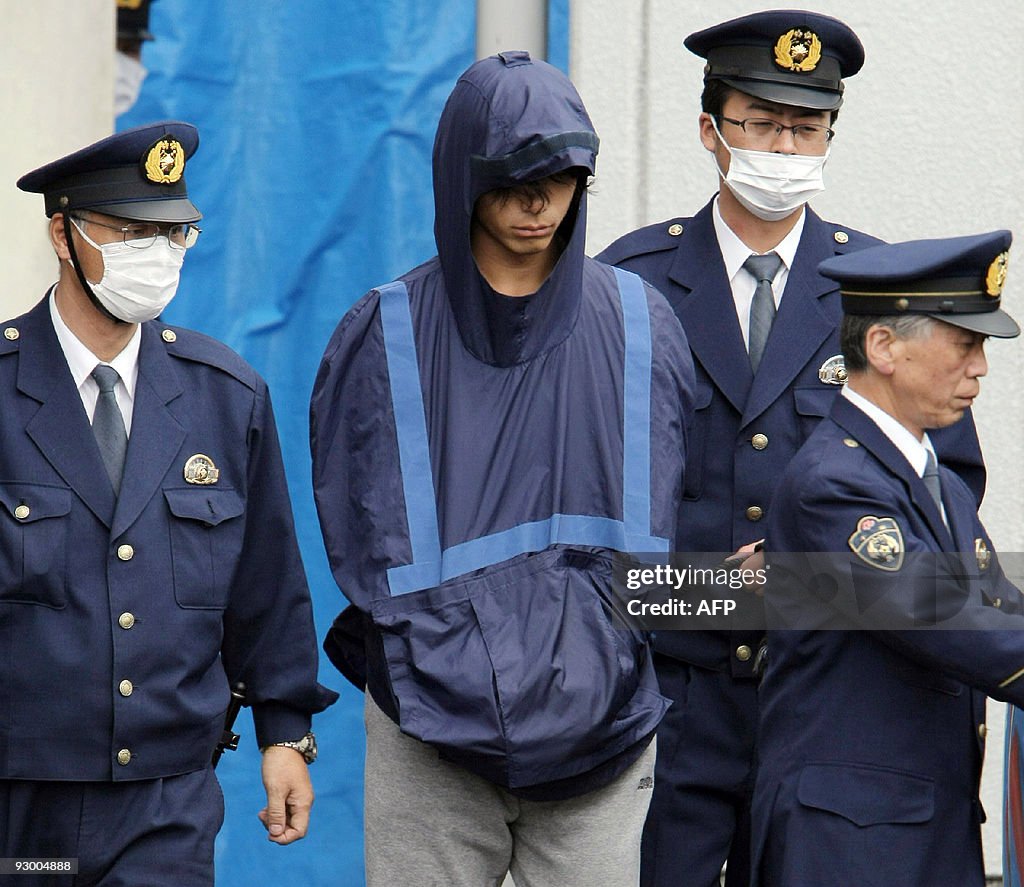
While Ichihashi was busy altering his appearance and fading into the background, the Japanese police were not idle. The case of Lindsay Hawker became a cause celebre, and the Hawker family’s tireless efforts to keep her memory alive kept the pressure on the authorities. Eventually, it was not an advanced technological breakthrough that caught him, but the collective awareness of a vigilant public. After he was identified by a worker at a ferry terminal, the authorities finally closed the loop. His apprehension was a moment of immense relief for those who had been searching for him, ending a two-year ordeal that had cast a long shadow over Japan’s justice system.
Reflections: The impact of a two-year pursuit on the victim's family
The two-year wait for justice was an immeasurable burden for the Hawker family. While they dealt with the profound grief of losing their daughter, they were also forced to endure the frustration of an ongoing search, often having to travel to Japan themselves to ensure the case remained in the public eye. The duration of the manhunt meant that for 730 days, they were in a state of suspended animation, unable to find closure or peace. The case serves as a somber reminder that the search for justice is rarely a straight line, and the toll it takes on the families left behind is often the most tragic, yet overlooked, part of the story.
Conclusion: Accountability in the wake of an exhaustive search

The arrest and subsequent trial of Tatsuya Ichihashi marked the end of a terrifying chapter, but the damage inflicted upon the Hawker family and the community can never be fully undone. Through this investigation, we learn how easily an individual can manipulate the systems designed to keep us safe, and the immense power of public persistence in holding criminals accountable. The art of his deception was ultimately overcome by the truth, ensuring that he faced the consequences for his heinous actions. We invite you to continue exploring these difficult topics with us by listening to the full episode on our podcast, which you can find right here: Chapter 147: Japan's Most Wanted-The Murder of Lindsay Hawker. Thank you for reading and for your commitment to understanding the complexities of true crime.